
Lumbini
Kapilvastu
Kapilvastu carries deep Buddhist heritage and fertile plains, linking history, pilgrimage, and everyday life in western Nepal.
25 visitors
🏛️ 0 places
All Places
All Places in Kapilvastu
Be the first to add a place here!
+ Add a Place🏔️
About
About Kapilvastu
Kapilvastu is a historically and culturally significant district in Lumbini Province, southwestern Nepal, known as the birthplace area of Lord Buddha. The district features fertile plains, rivers, and ancient Buddhist heritage sites. Kapilvastu offers a mix of cultural exploration, historical sightseeing, and rural experiences.
Historical & Buddhist Heritage Sites
1. Tilaurakot
- Ancient capital of the Shakya Kingdom
- Believed to be the palace where Prince Siddhartha (Buddha) lived for 29 years
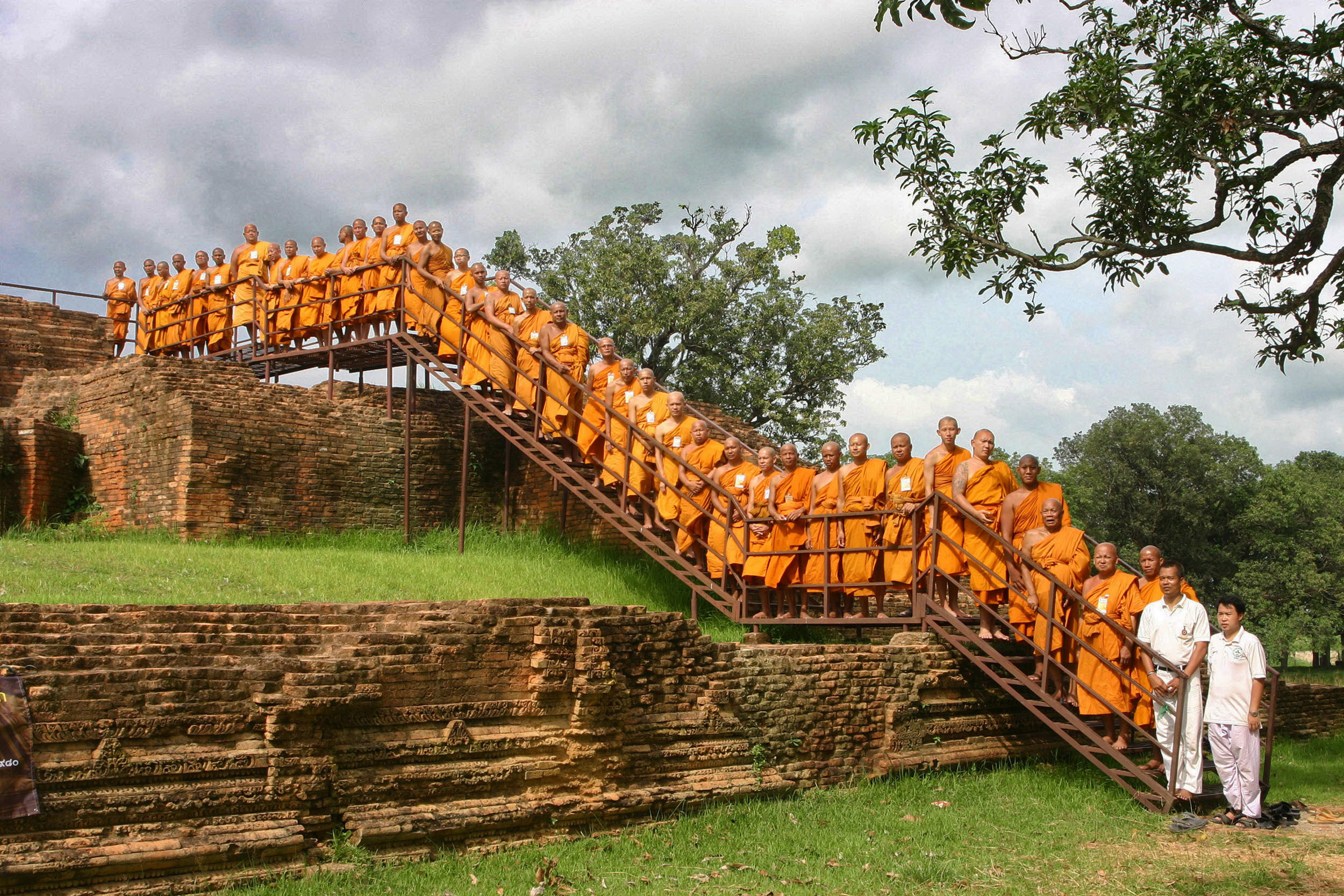
- Important archaeological and historical site
2. Kudan
- Site where Lord Buddha met King Suddhodana after enlightenment
- Important Buddhist pilgrimage destination
3. Gotihawa
- Birthplace of Krakuchhanda Buddha
- Features an Ashokan pillar and ancient stupas
- Important archaeological site
4. Niglihawa
- Birthplace of Kanakamuni Buddha
- Contains an Ashoka pillar (3rd century BCE)
- Significant for Buddhist history
5. Sagarhawa
- Known as the “Massacre of the Shakyas” site
- Historical and religious importance
- Linked to ancient Buddhist history
6. Kapilvastu Museum
- Displays artifacts, coins, and pottery
- Provides insight into ancient civilization
- Located near Tilaurakot
Natural & Local Exploration
7. Jagdishpur Lake
- Important wetland area
- Popular for birdwatching and nature visits
- Peaceful natural environment
8. Cultural Villages
- Traditional Terai rural settlements
-
Offer experience of:
- Local lifestyle
- Agriculture and traditions
- Ideal for cultural tourism
Religious Sites
9. Local Temples
- Narahi Temple
- Kubernath Temple
- Palta Devi Temple
Quick Info
🌤️
Best Time
When to Visit
October to March is the best time to visit Kapilvastu, offering clear skies, mild temperatures, and ideal conditions for sightseeing and cultural exploration.
🚌
Getting There
How to Reach
Kapilvastu is accessible by road from Butwal, Bhairahawa, and nearby towns. The nearest airport is Gautam Buddha International Airport, followed by a road journey to Kapilvastu.
🍜
Culture
Food & Culture
Kapilvastu's culture is rich with historical and Buddhist heritage alongside traditional Terai village lifestyles. Local foods include dal bhat, litti chokha, seasonal vegetables, and sweets. Festivals such as Buddha Jayanti, Dashain, and Tihar are widely celebrated.
⭐
Activities
Top Things To Do
1
Visit the ancient Kapilvastu archaeological sites and ruins
2
Explore Lumbini Province's nearby heritage locations
3
Walk through rural villages to experience traditional lifestyles
4
Visit local temples and Buddhist stupas
5
Attend local festivals such as Buddha Jayanti, Dashain, and Tihar
6
Photograph rivers, farmland, and scenic plains
7
Try local foods and visit markets in Taulihawa and surrounding towns
❓
FAQ
Before You Go
Q.Where is Kapilvastu located?
It lies in Lumbini Province, southwestern Nepal.
Q.What is Kapilvastu famous for?
Ancient Buddhist heritage sites and fertile plains.
Q.Is Kapilvastu good for tourists?
Yes, for cultural and historical sightseeing and rural exploration.
Q.How many days are enough?
2 to 4 days to explore heritage sites and nearby villages.
Q.Are trekking options available?
Short walks and village trails are popular.