
All 77 Districts
From Himalayan peaks to Terai plains — every district, one guide.
77 districts
0.0
Arghakhanchi
Arghakhanchi is a quiet hill district with religious sites, forested ridges, and rural landscapes shaped by traditional livelihoods.

0.0
Baglung
Baglung mixes scenic hill towns, cultural landmarks, and access to both religious sites and trekking routes in western Nepal.

0.0
Baitadi
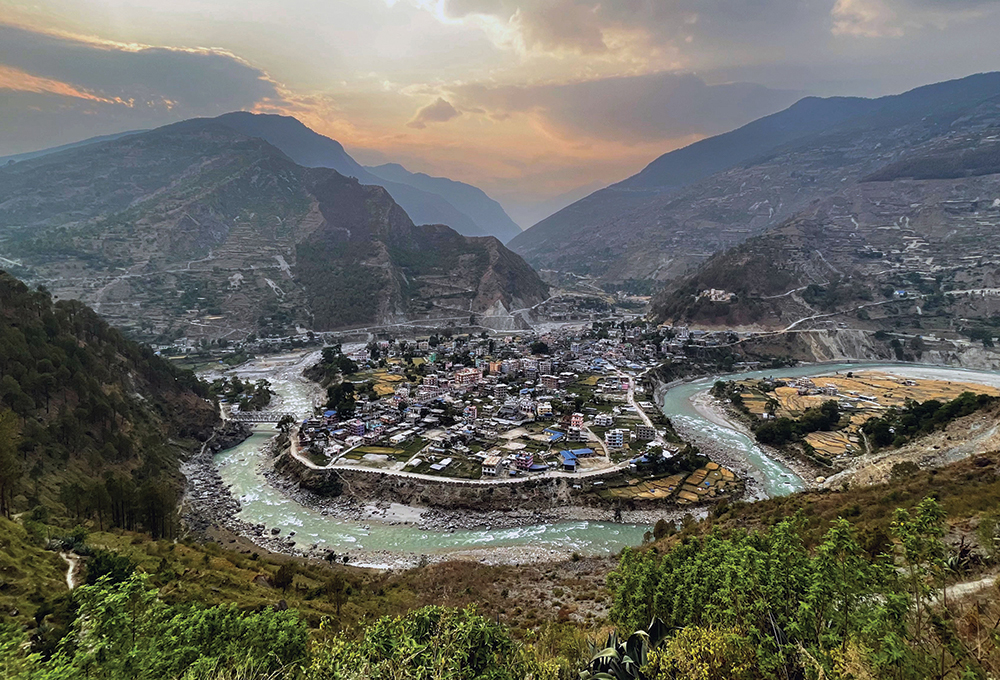
Baitadi is a hill district with religious heritage, traditional settlements, and scenic views across the far-western mountains.
0.0
Bajhang
Bajhang is a remote mountain district of wild landscapes, historic settlements, and strong hill culture in Nepal's far west.

0.0
Bajura
Bajura combines rugged hills, alpine terrain, and remote communities, offering raw scenery and authentic mountain life.
0.0
Banke
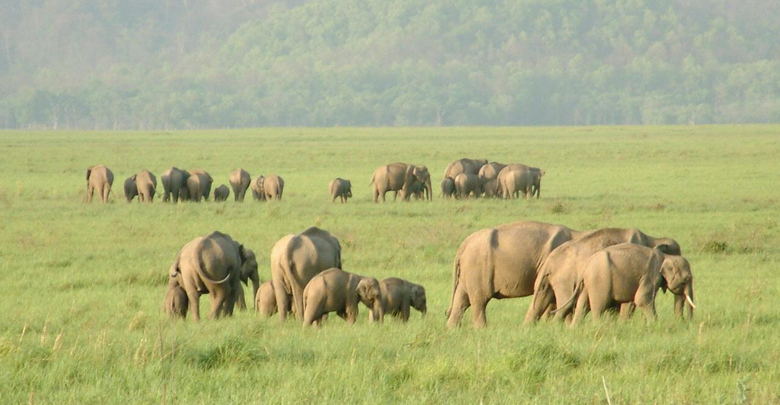
Banke connects busy urban life, border commerce, and protected natural areas, making it an important district of the western plains.

0.0
Bara
Known for Simraungadh heritage and major transport links, Bara blends history, commerce, and the everyday life of the central plains.
0.0
Bardiya
Bardiya is famous for wildlife, river landscapes, and Tharu culture, offering one of Nepal's best jungle travel experiences.

0.0
Bhaktapur
Bhaktapur is famed for its preserved old city, pottery, temples, and timeless Newari architecture rich in history and craftsmanship.

0.0
Bhojpur
Known for its hill settlements and cultural richness, Bhojpur blends scenic ridges, farmland, and long-standing traditions of eastern Nepal.
0.0
Chitwan
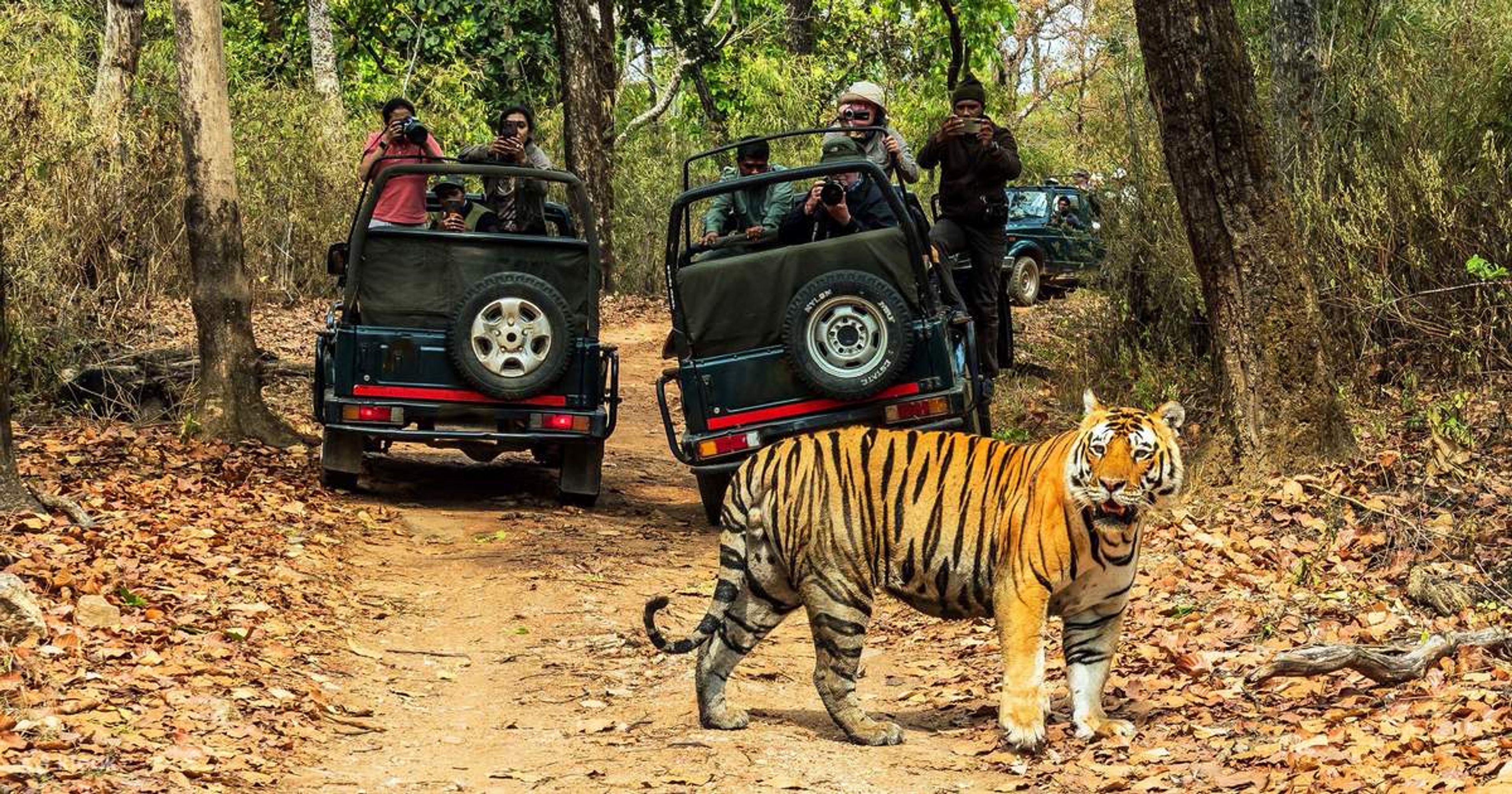
Chitwan is best known for jungle safaris, wildlife experiences, Tharu culture, and one of Nepal's most accessible nature destinations.

0.0
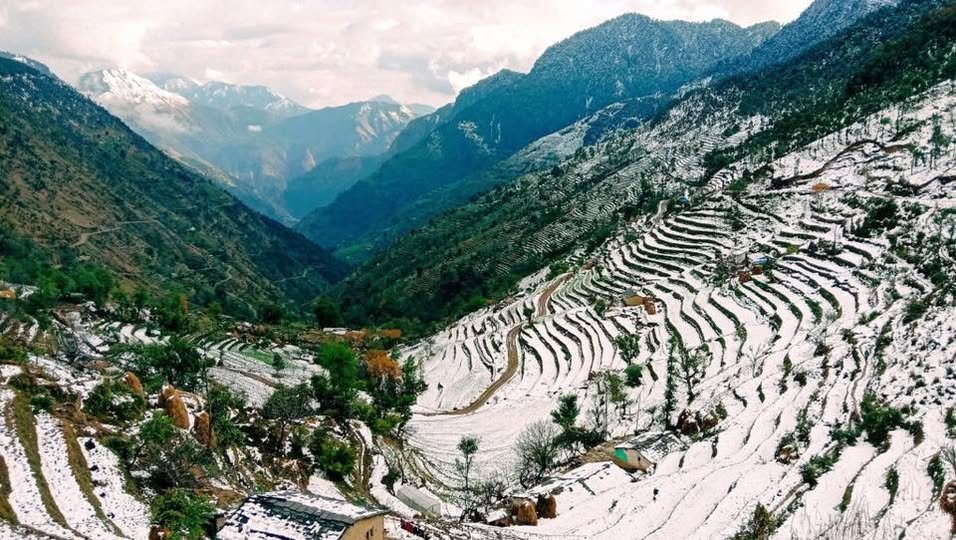
Dadeldhura
Dadeldhura offers cool hill weather, forested ridges, and a calm atmosphere that reflects the beauty of Nepal's far west.
0.0
Dailekh
Dailekh is known for hill settlements, cultural traditions, and natural features that reflect the heart of Karnali's landscape.
.jpg)
0.0
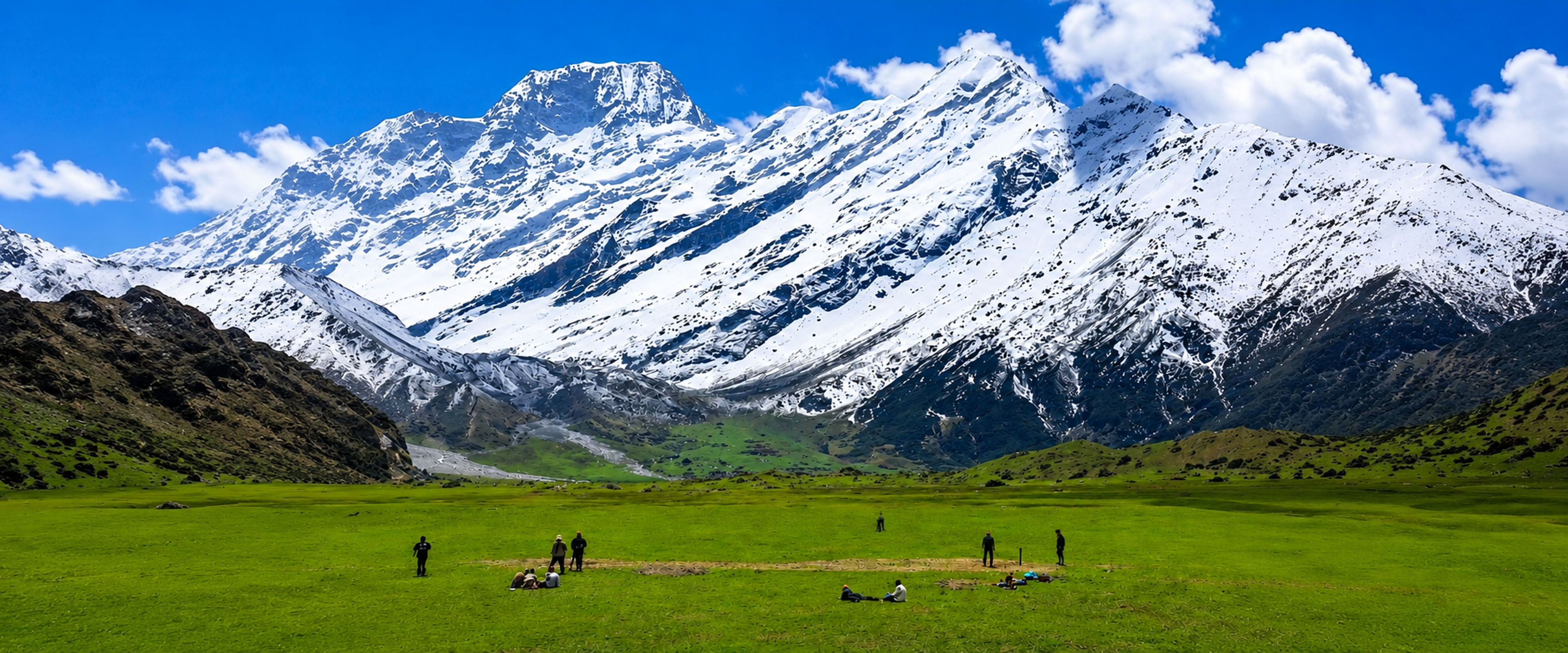
Dang
Dang is a broad inner-Terai valley district known for open landscapes, cultural diversity, and important routes in western Nepal.
0.0
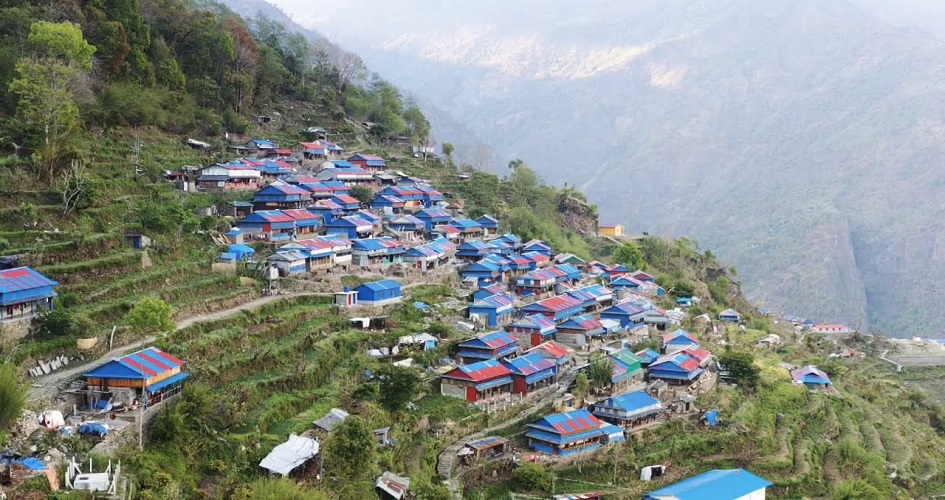
Darchula
Darchula sits along Nepal's far-western frontier, offering Himalayan scenery, river valleys, and culturally rich border landscapes.
0.0
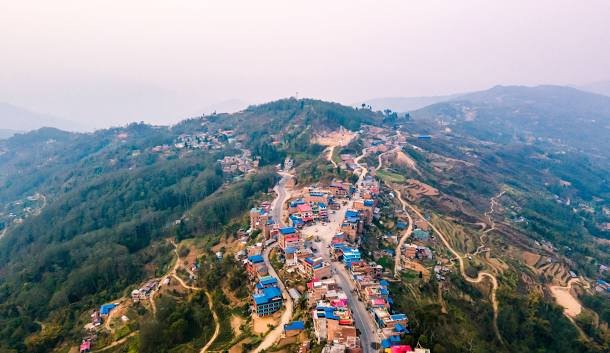
Dhading
Dhading stretches from green hills to high Himalayan terrain, offering rafting rivers, village trails, and diverse landscapes.
0.0
Dhankuta
A charming hill district with cool weather and terraced slopes, Dhankuta is known for old bazaars, viewpoints, and tea-growing surroundings.
5.0
Dhanusha
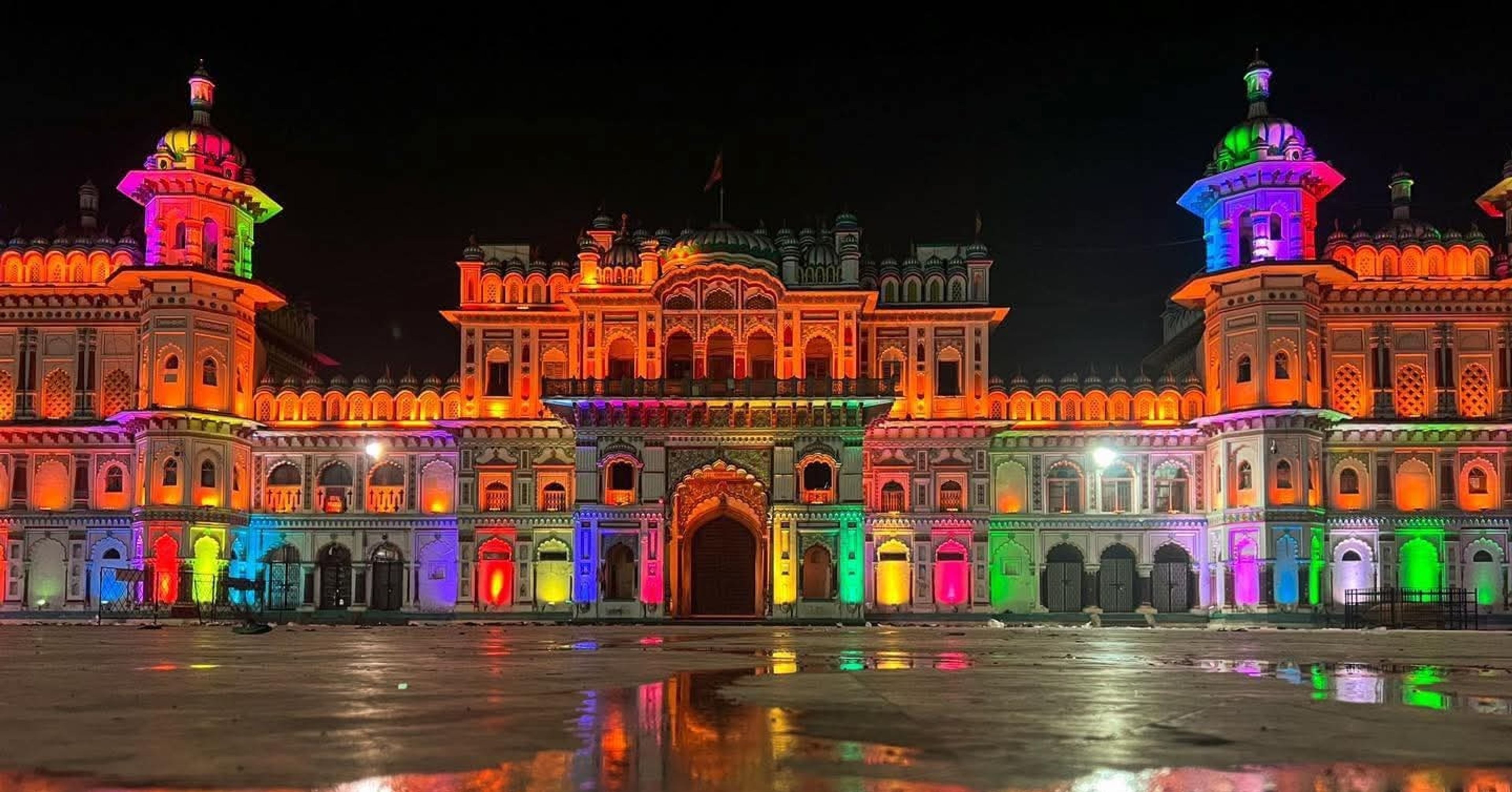
Centered around Janakpur, Dhanusa is renowned for Maithili culture, grand temples, festivals, and deep connections to the Ramayana tradition.
0.0
Dolakha
Dolakha is known for mountain scenery, temple heritage, and access to alpine regions, blending culture with outdoor adventure.

0.0
Dolpa
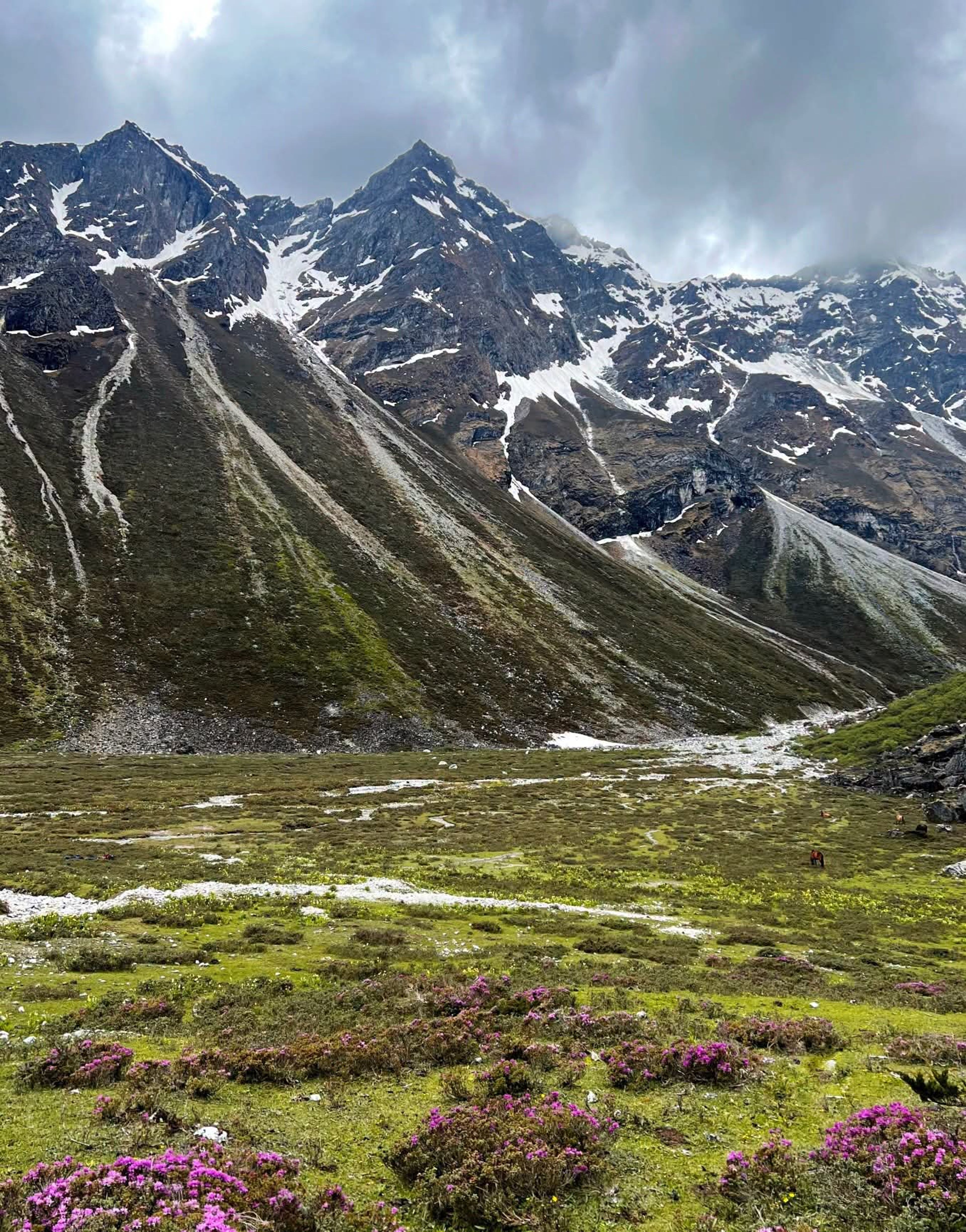
Dolpa is one of Nepal's most remote and spectacular districts, known for high-altitude lakes, monasteries, and raw Himalayan beauty.

0.0
Doti
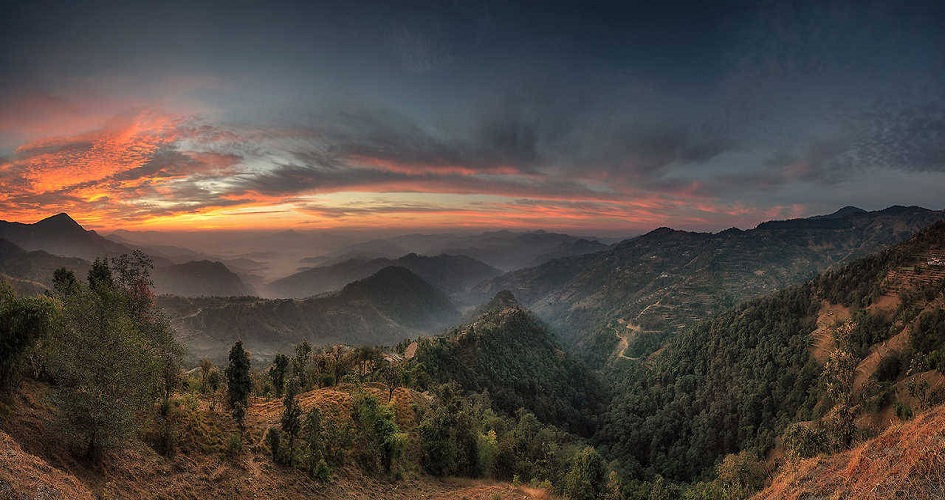
Doti is a historic far-western district with strong cultural identity, hill towns, and landscapes shaped by forests and ridges.
0.0
Gorkha
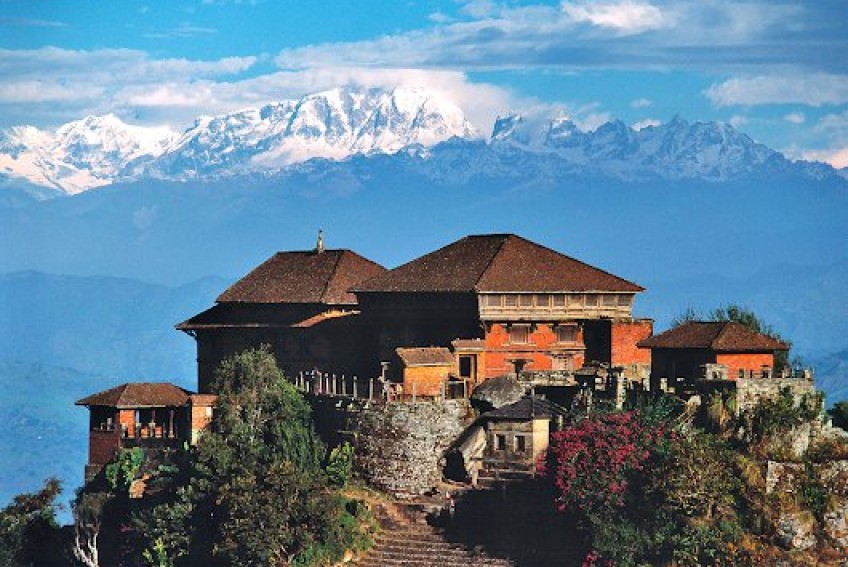
Historic Gorkha is the birthplace of Nepal's unification, offering hilltop heritage sites, mountain views, and important cultural landmarks.
0.0
Gulmi
Gulmi offers terraced hills, historic temples, and rural charm, with strong ties to traditional culture in western Nepal.
0.0
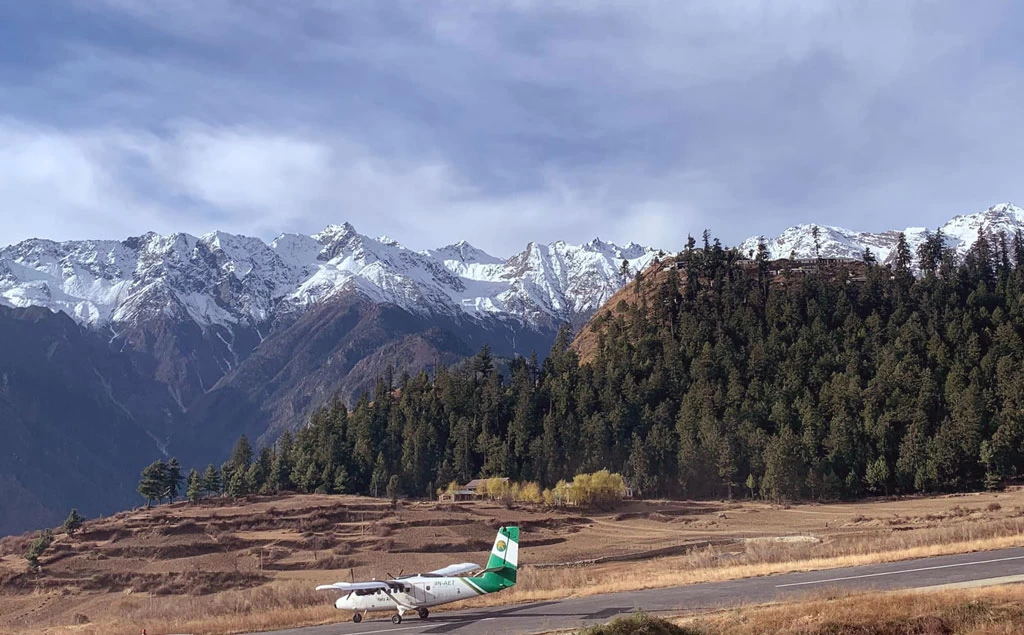
Humla
Humla is a remote northwestern district of high Himalayan passes, ancient trade routes, and powerful mountain landscapes.
0.0
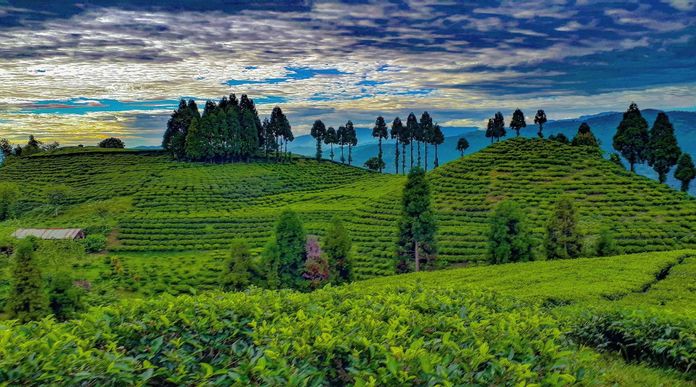
Ilam
Famous for tea gardens and misty hills, Ilam is one of Nepal's most beautiful eastern districts for nature, culture, and easy escapes.
0.0
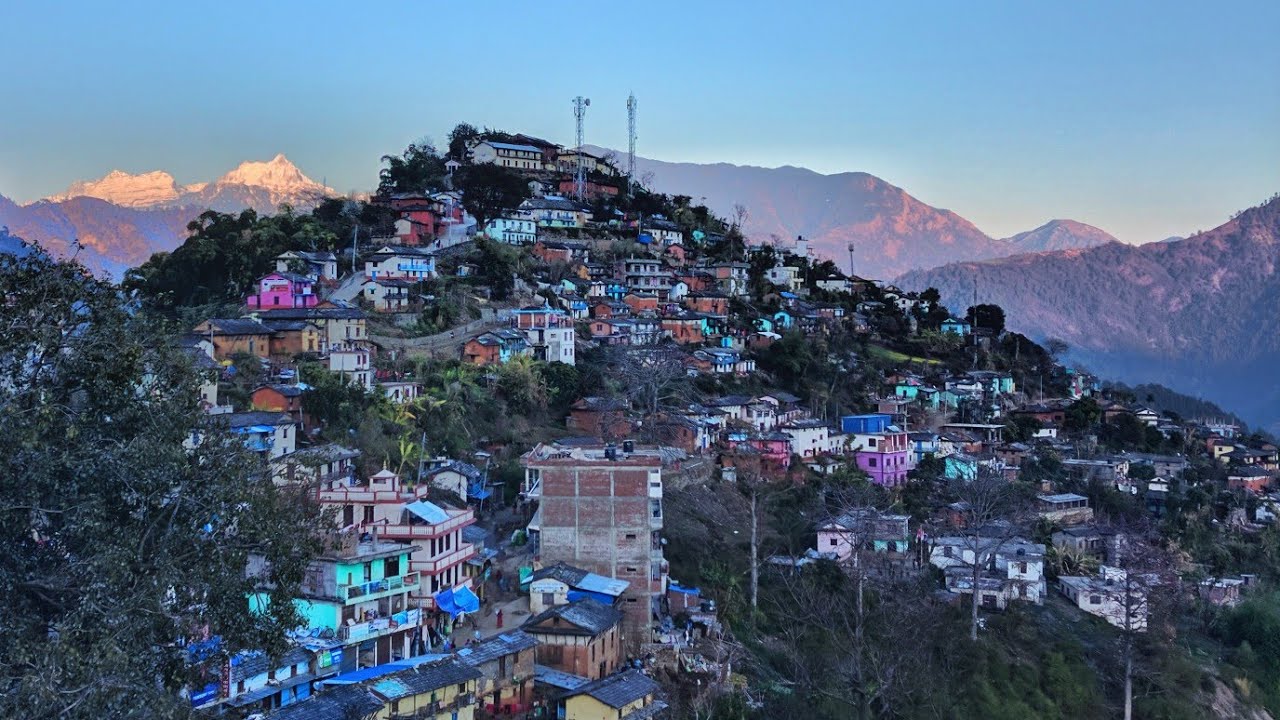
Jajarkot
Jajarkot offers steep hill terrain, historic settlements, and a less-traveled glimpse into the culture of western Nepal.
0.0
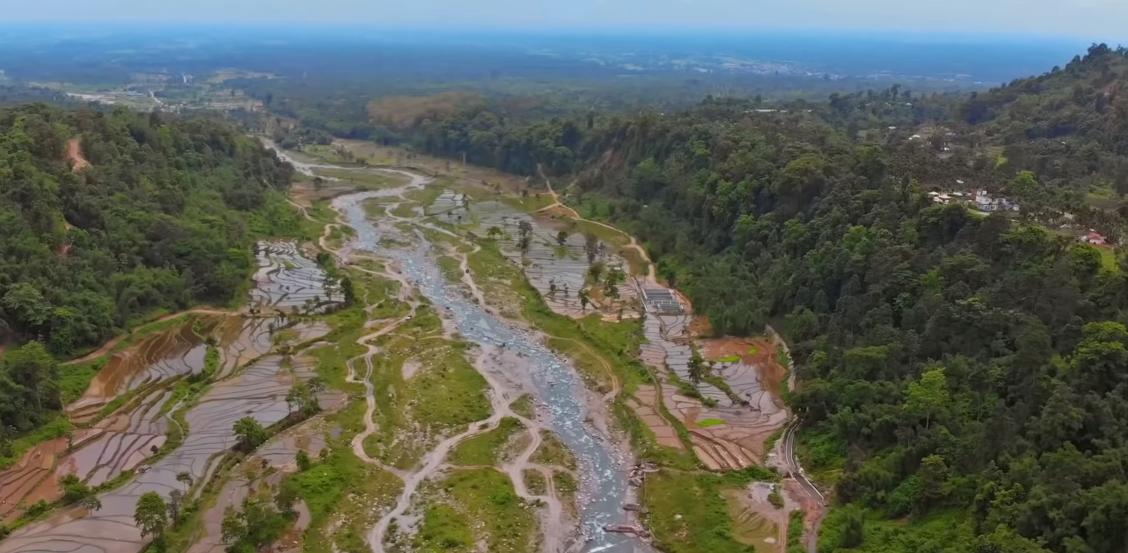
Jhapa
Jhapa is Nepal's eastern gateway, known for fertile plains, tea estates, wetlands, and a lively mix of cultures and border-town energy.
0.0
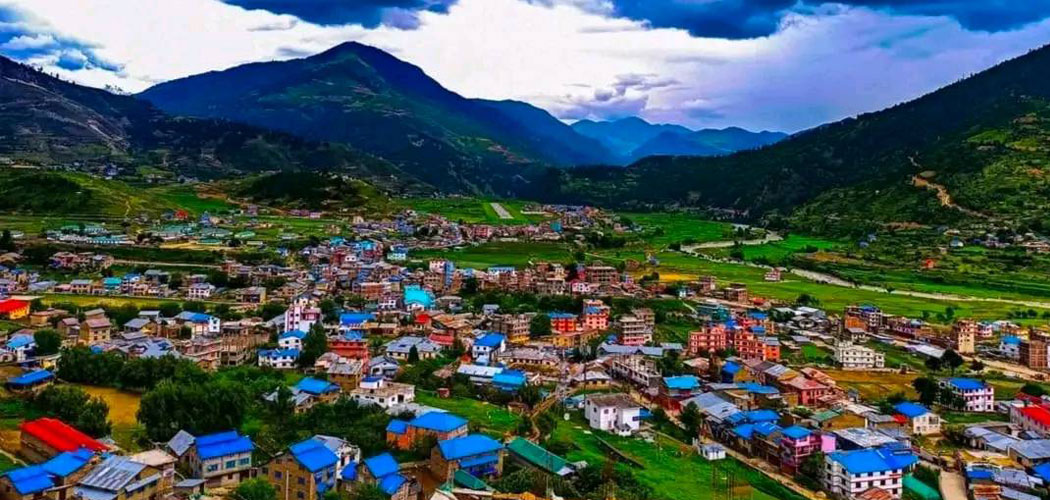
Jumla
Jumla blends mountain culture, orchards, and remote trails, and is often seen as a gateway to Karnali's highland beauty.
0.0
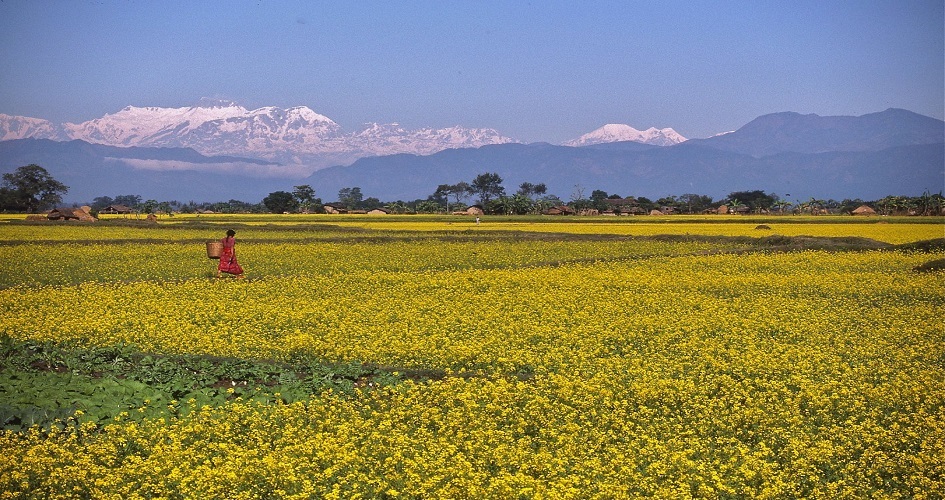
Kailali
Kailali features river plains, wetlands, forests, and far-western culture, making it a diverse district of the Sudurpashchim region.
0.0
Kalikot
Kalikot is a rugged Karnali district with remote villages, dramatic hills, and a strong sense of traditional mountain life.
0.0
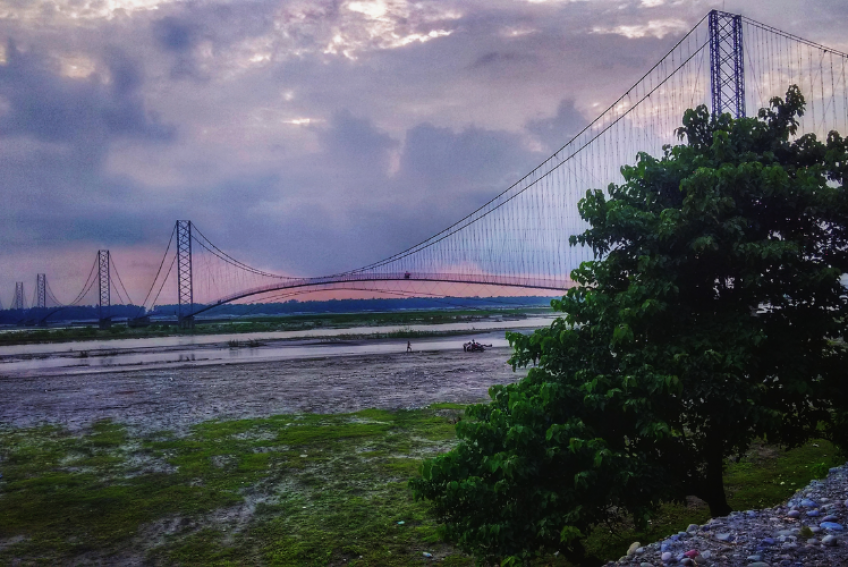
Kanchanpur
Kanchanpur is known for open plains, border routes, and access to natural areas, blending commerce with far-western landscapes.
0.0
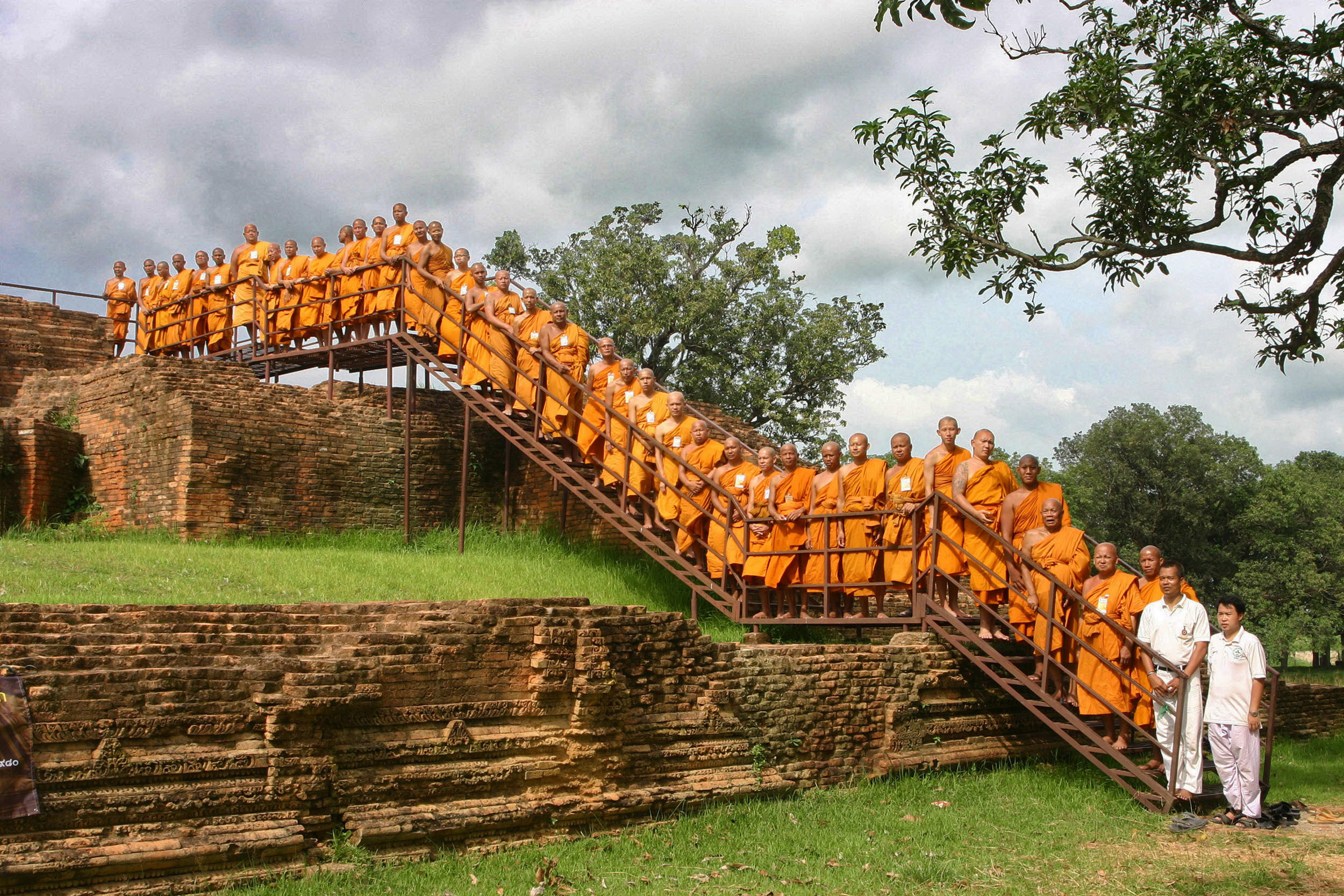
Kapilvastu
Kapilvastu carries deep Buddhist heritage and fertile plains, linking history, pilgrimage, and everyday life in western Nepal.

0.0
Kaski
Home to Pokhara, Kaski blends lakes, mountain panoramas, adventure tourism, and easy access to some of Nepal's most iconic landscapes.
0.0
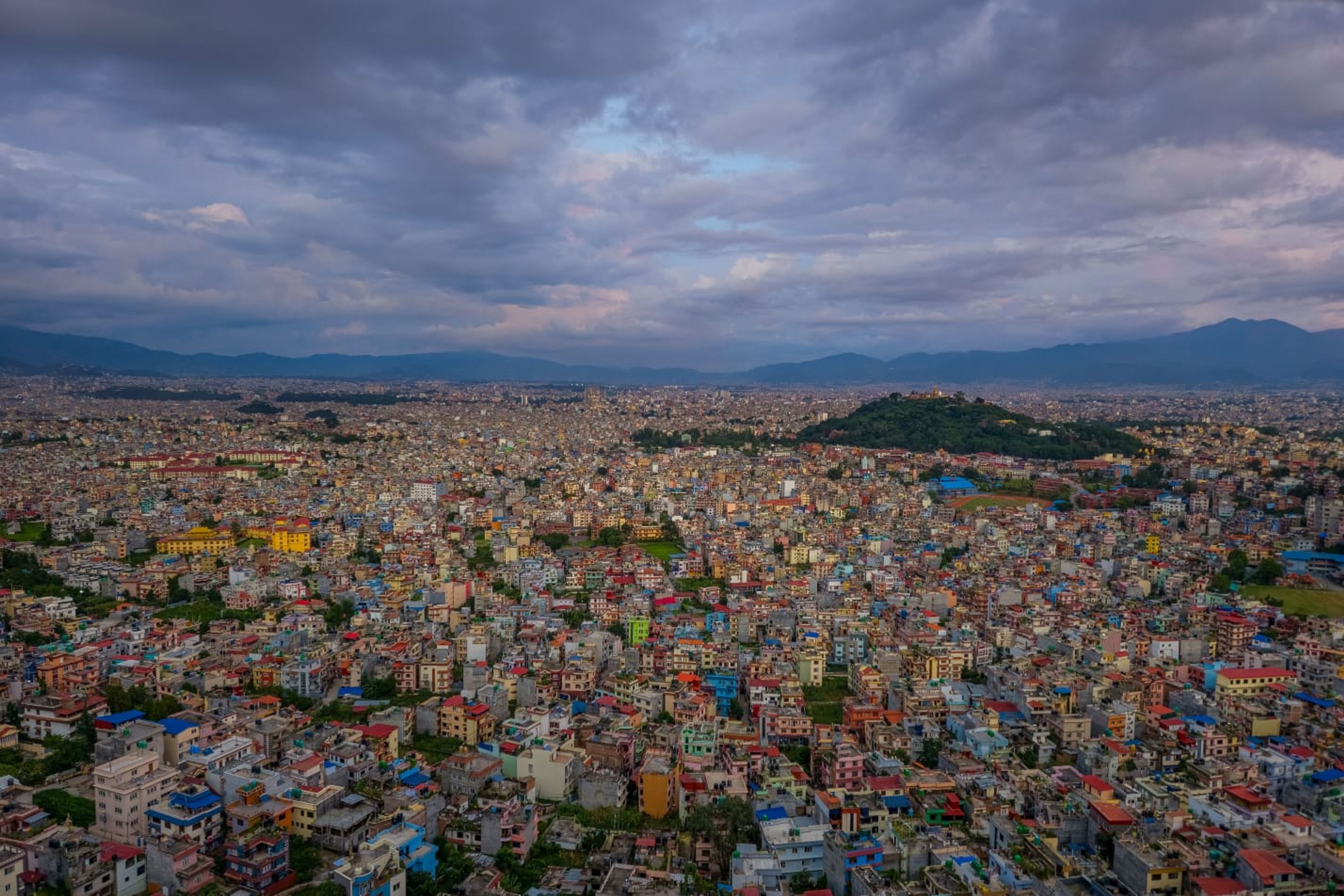
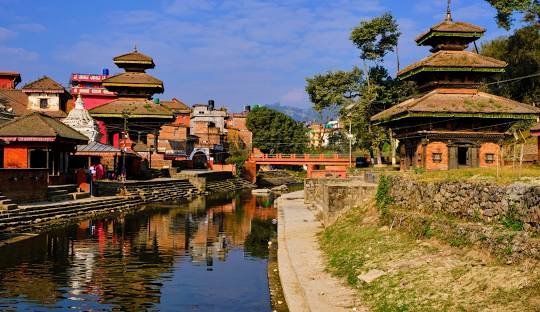
Kathmandu
Kathmandu is Nepal's cultural and political heart, where temples, heritage squares, food, festivals, and urban energy come together.
0.0
Kavrepalanchok
Kavrepalanchok is a scenic hill district near Kathmandu, known for viewpoints, cultural towns, and easy escapes into rural landscapes.

0.0
Khotang
Khotang features green hills, river valleys, and strong Kirati cultural roots, offering a peaceful look into eastern Nepal's rural life.

0.0
Lalitpur
Lalitpur combines Newari heritage, fine arts, ancient courtyards, and a vibrant urban culture just beyond the capital's core.

0.0
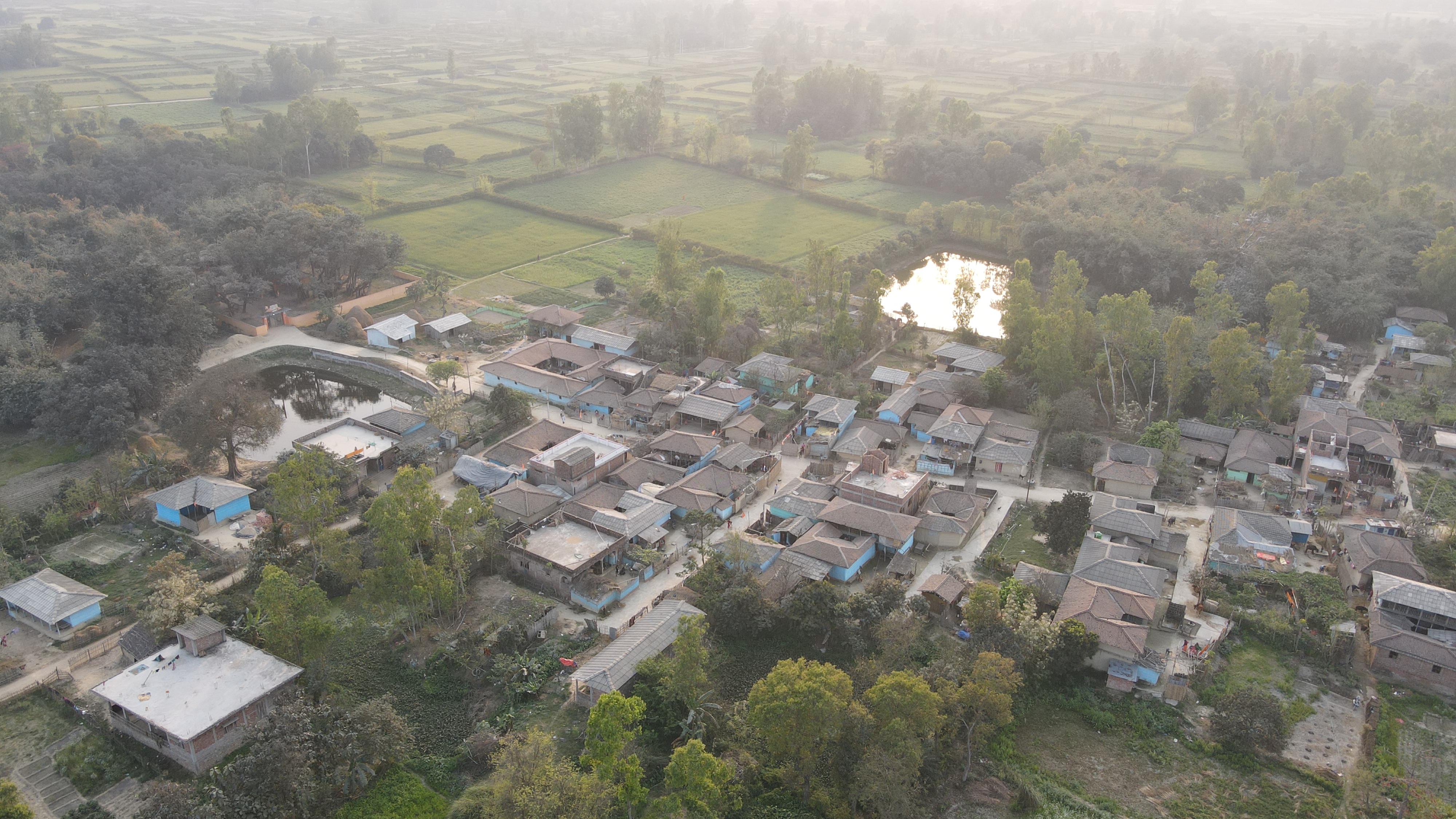
Lamjung
Lamjung is a beautiful hill district with traditional villages, trekking routes, and landscapes that connect central Nepal's hills and mountains.
0.0
Mahottari
Mahottari offers broad plains, local markets, and a strong cultural identity shaped by agriculture, festivals, and Madhesh life.

0.0
Makwanpur
Makwanpur combines hill towns, forests, and strategic routes linking Kathmandu to the southern plains, with strong local cultural character.
0.0
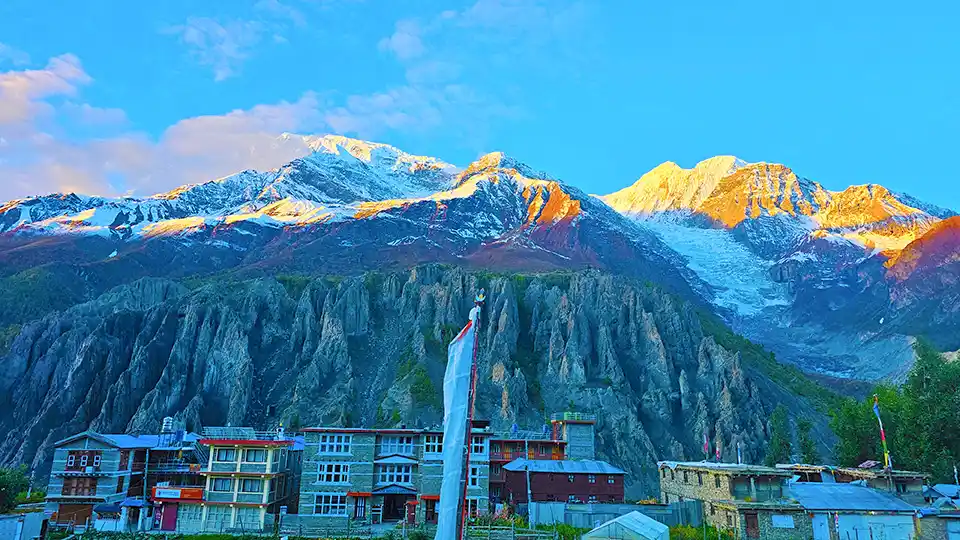
Manang
Manang is a high-altitude Himalayan district of dramatic valleys, Buddhist culture, and legendary trekking routes in the Annapurna region.

0.0
Morang
An important district of the eastern plains, Morang combines urban growth, industry, agricultural landscapes, and diverse communities.
0.0
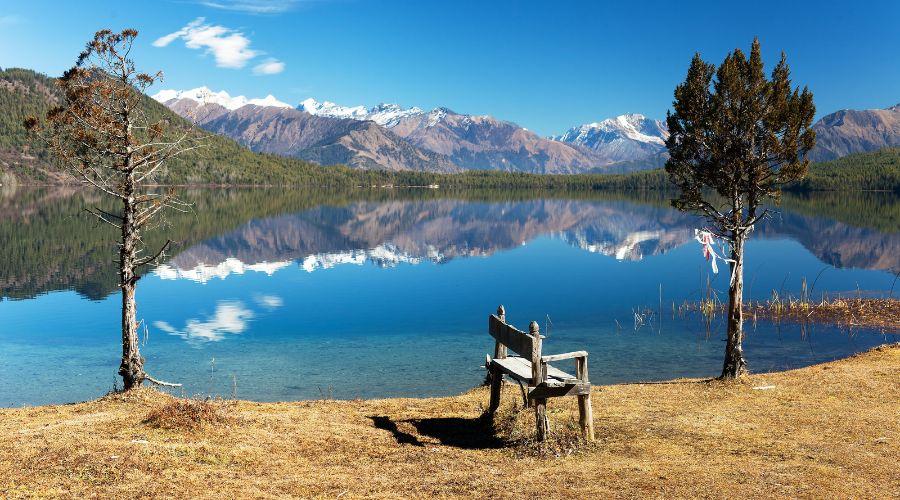
Mugu
Mugu is home to the stunning Rara region, offering alpine scenery, remote trails, and a rare sense of untouched mountain quiet.

0.0
Mustang
Mustang stands out for desert-like trans-Himalayan scenery, ancient monasteries, walled settlements, and a unique Tibetan-influenced culture.

0.0
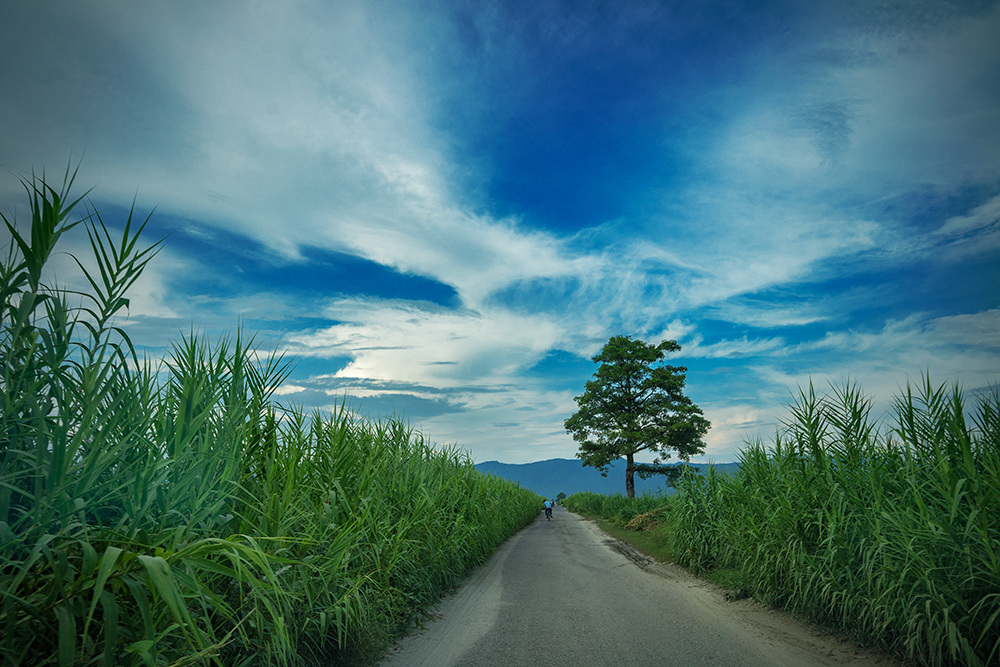
Myagdi
Myagdi features mountain trails, rivers, and access to major trekking regions, offering a strong mix of scenery and village life.
0.0
Nawalparasi West
Nawalparasi West combines plains settlements, trade routes, and local culture in the western stretch of Nepal's Terai.

0.0
Nawalpur
Nawalpur combines forests, river plains, and growing town life, offering a quieter side of central Nepal beyond major tourist centers.
0.0
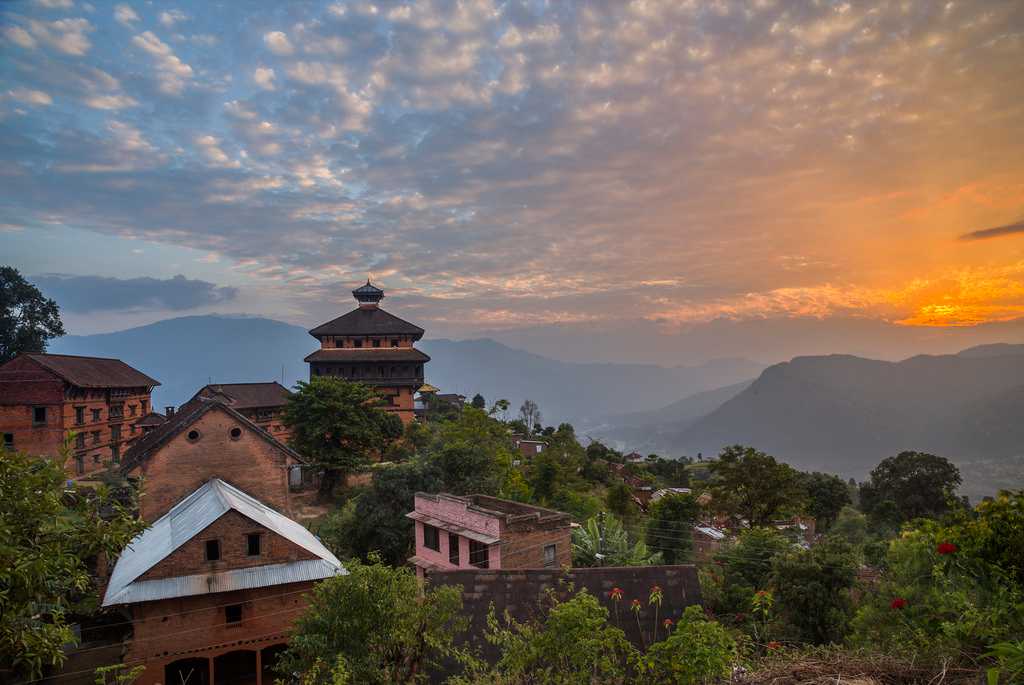
Nuwakot
Nuwakot offers hilltop forts, historic settlements, and green ridges, making it a rewarding district for heritage and nature lovers.

0.0
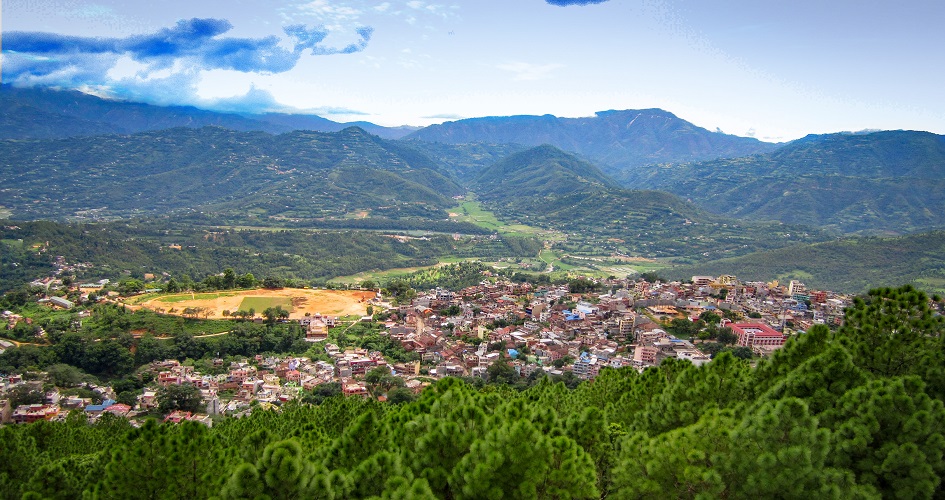
Okhaldhunga
A mid-hill district of ridges, farms, and traditional settlements, Okhaldhunga is known for quiet landscapes and local hill culture.
0.0
Palpa
Palpa is celebrated for Tansen, hilltop heritage, Newar influence, and scenic views across one of Nepal's most charming hill districts.

0.0
Panchthar
Panchthar offers sweeping hill views, rich Limbu culture, and scenic trails through forests, fields, and elevated rural settlements.

0.0
Parbat
Parbat is known for steep hills, suspension bridges, and adventure-friendly landscapes near the Annapurna and Pokhara region.
0.0
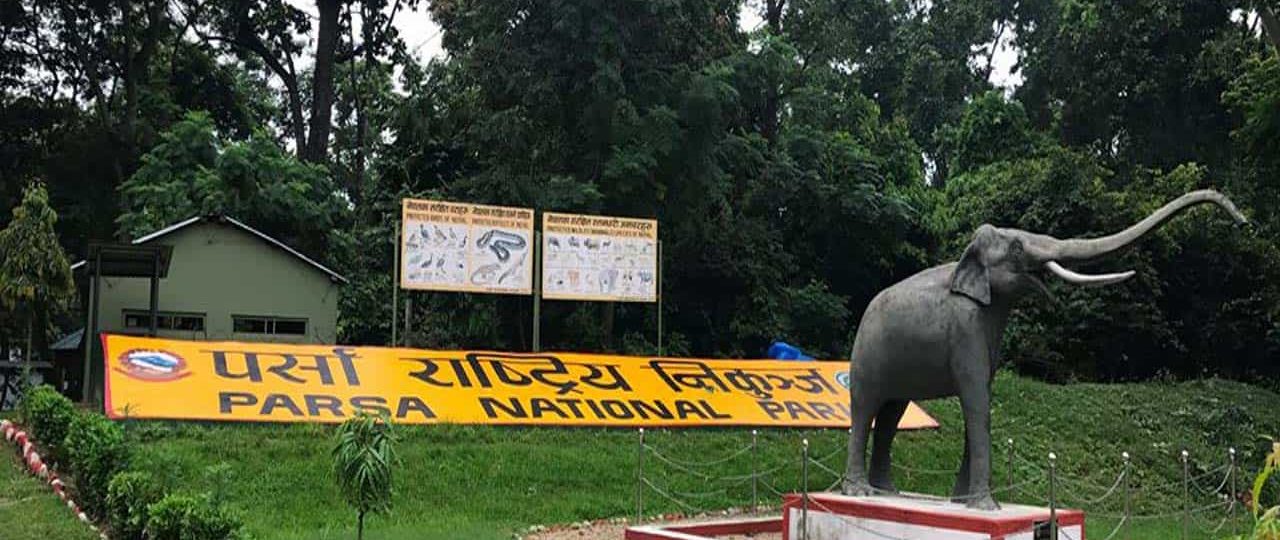
Parsa
Parsa combines border-city energy, industrial activity, and access to wildlife areas, making it one of Nepal's key Terai districts.

0.0
Pyuthan
Pyuthan is known for green hills, temple sites, and a peaceful landscape that reflects the rhythm of mid-western hill life.
.jpg)
0.0
Ramechhap
Ramechhap features river valleys, mid-hill villages, and mountain views, serving as a quieter gateway toward eastern highland routes.

0.0
Rasuwa
Rasuwa is a mountain district known for Langtang, dramatic Himalayan scenery, Tamang culture, and trekking routes close to Kathmandu.

0.0
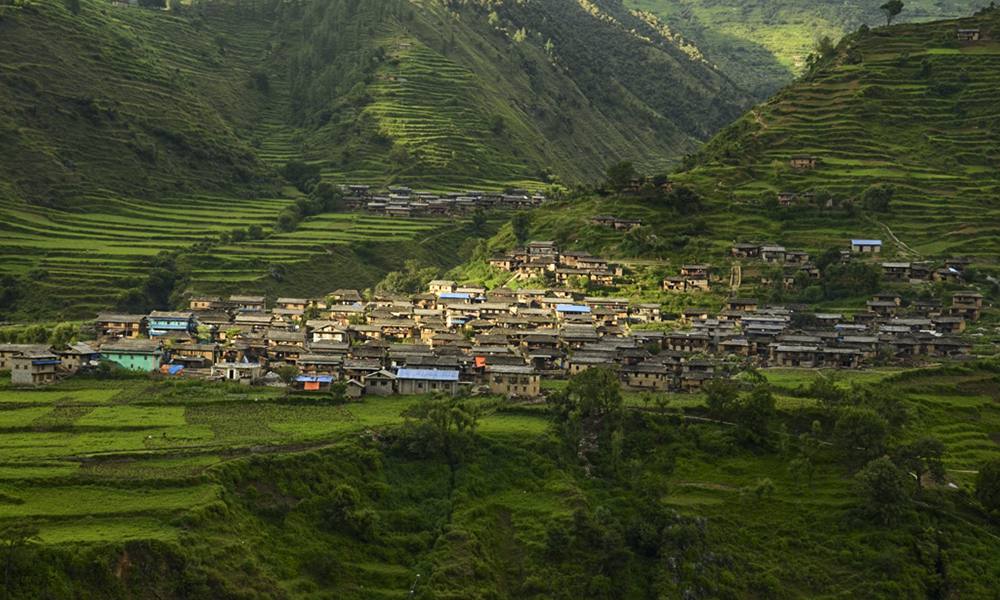
Rautahat
Rautahat is a busy plains district of trade routes, agricultural settlements, and diverse communities in Nepal's central Terai.
0.0
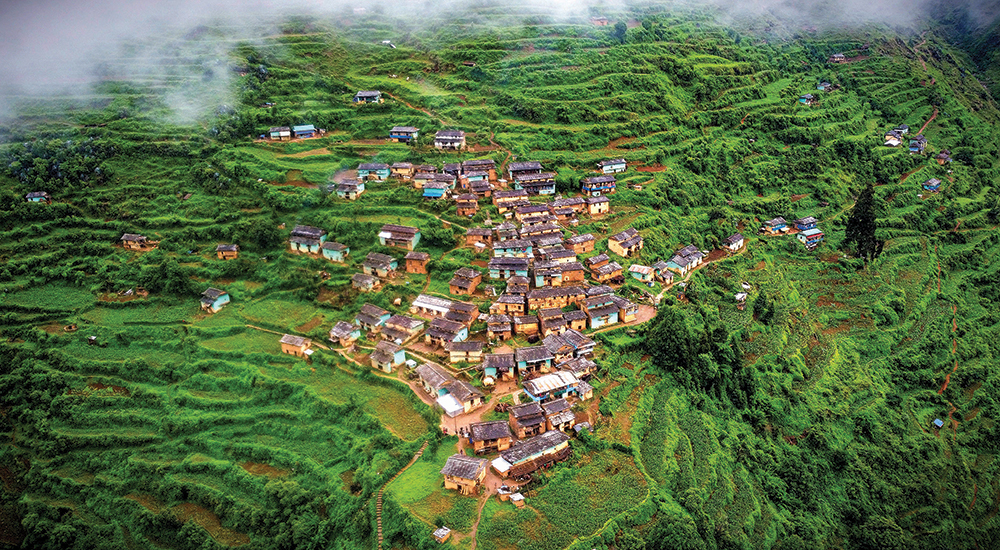
Rolpa
Rolpa is a hill district of strong local identity, dramatic terrain, and traditional settlements spread across western Nepal's ridges.
0.0
Rukum East
Rukum East offers rugged hills, remote settlements, and authentic rural landscapes shaped by mountain life and western hill culture.

0.0
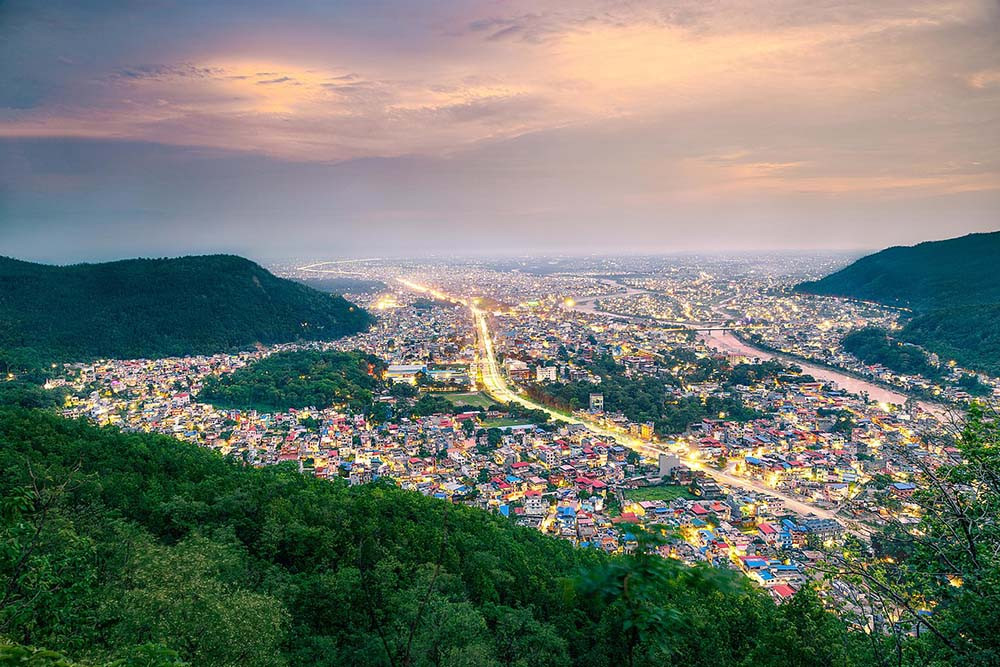
Rukum West
Rukum West is a scenic and rugged district with lakes, hills, and strong local identity across western Nepal's uplands.
0.0
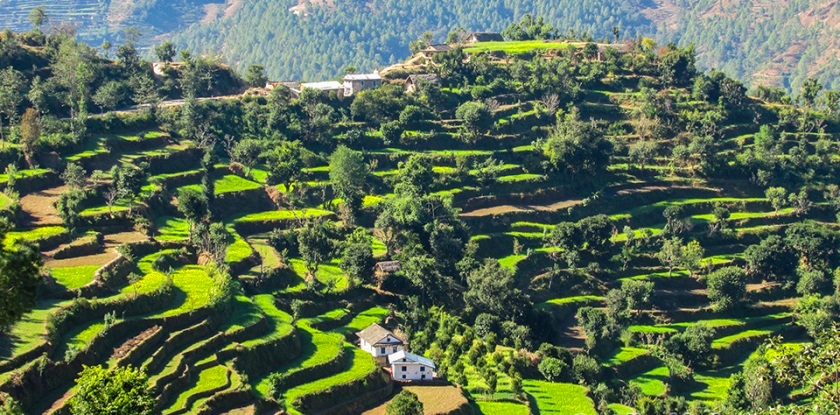
Rupandehi
Rupandehi is internationally known for Lumbini, the birthplace of Buddha, along with growing cities and rich plains culture.
0.0
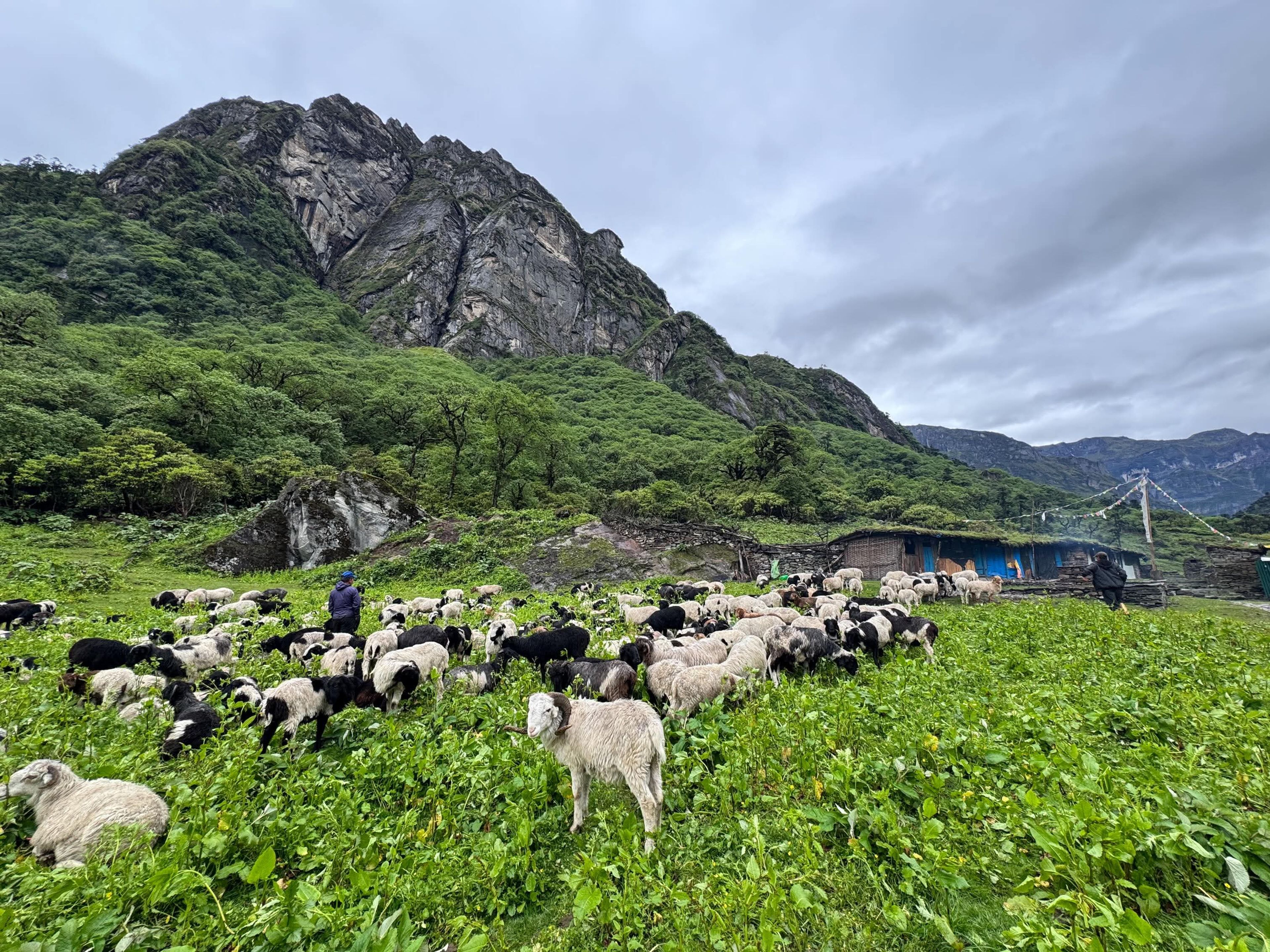
Salyan
Salyan combines rolling hills, farms, and market towns, offering a grounded look at life in Nepal's mid-western hills.
0.0
Sankhuwasabha
Home to Makalu and deep mountain valleys, Sankhuwasabha offers rugged trekking country, rich biodiversity, and remote hill culture.

0.0
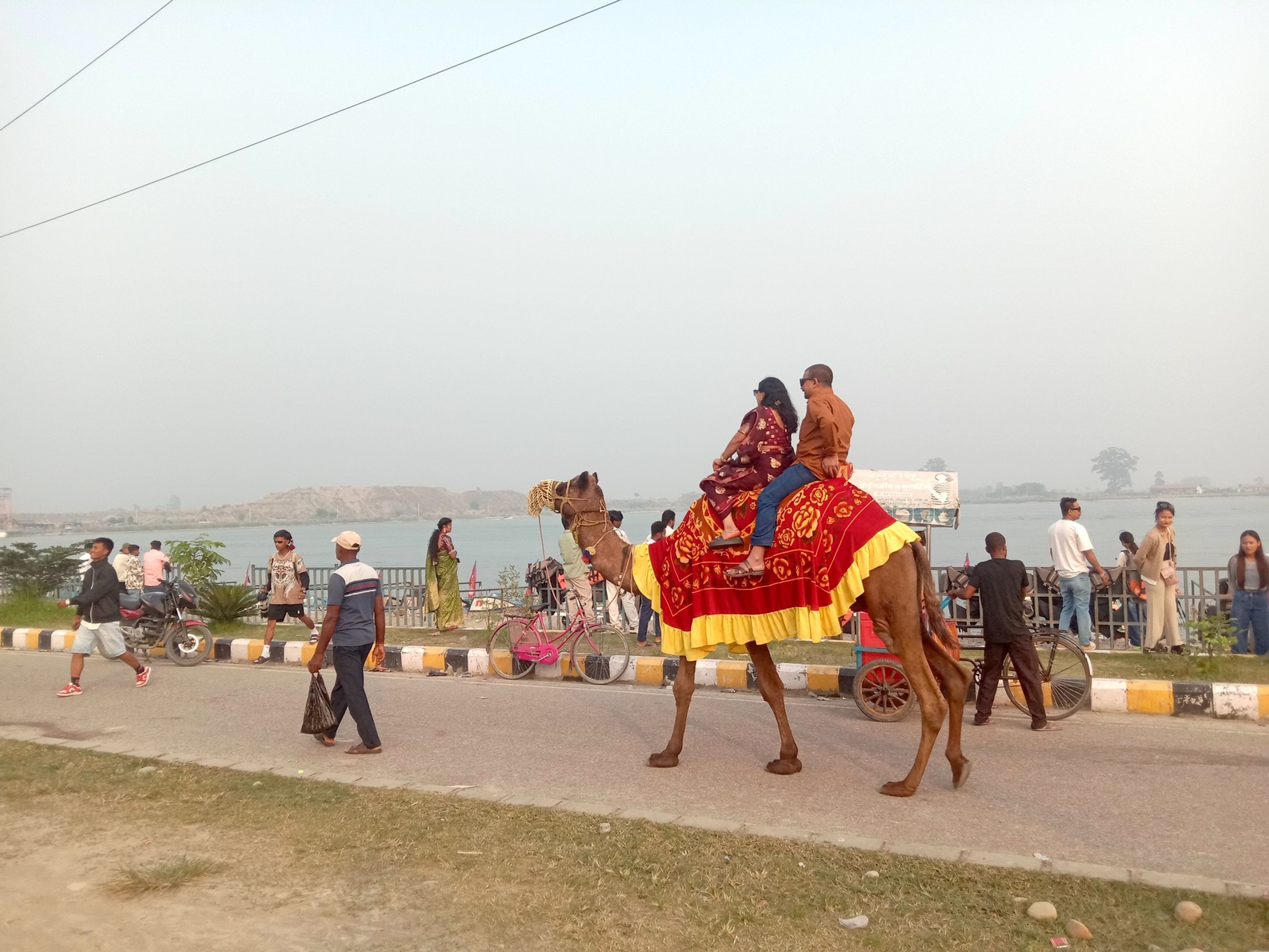
Saptari
Saptari is a culturally vibrant Terai district with historic religious sites, agricultural plains, and strong Maithili and Madhesi traditions.
0.0
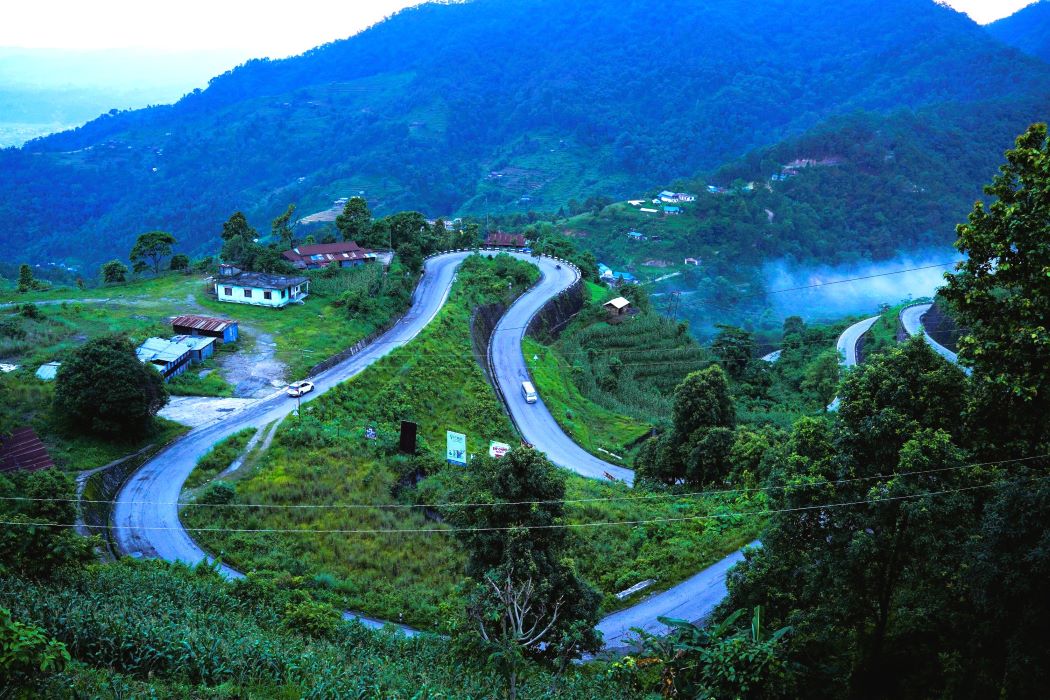
Sarlahi
Sarlahi is a lively Terai district with farming communities, temple traditions, and an important role in Madhesh's cultural landscape.
0.0
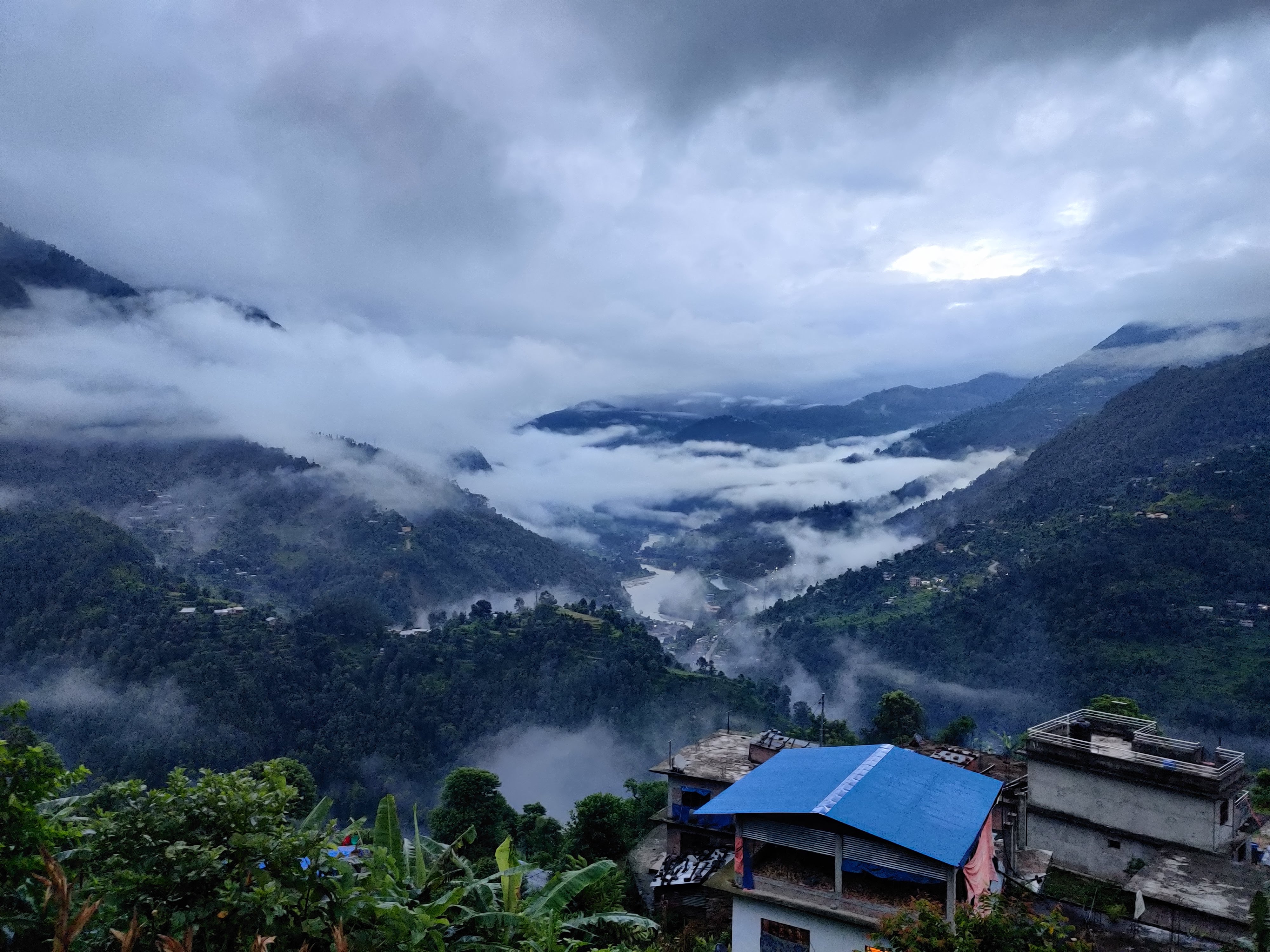
Sindhuli
Sindhuli is a hill district of winding roads, forests, and historical importance, especially known for the famous Sindhuli Gadhi area.
0.0
Sindhupalchok
A district of hills, rivers, and mountain routes, Sindhupalchok offers spiritual sites, trekking access, and striking natural scenery.

0.0
Siraha
Siraha is known for fertile plains, temple traditions, and a rich cultural landscape shaped by Madhesi and Maithili heritage.
0.0
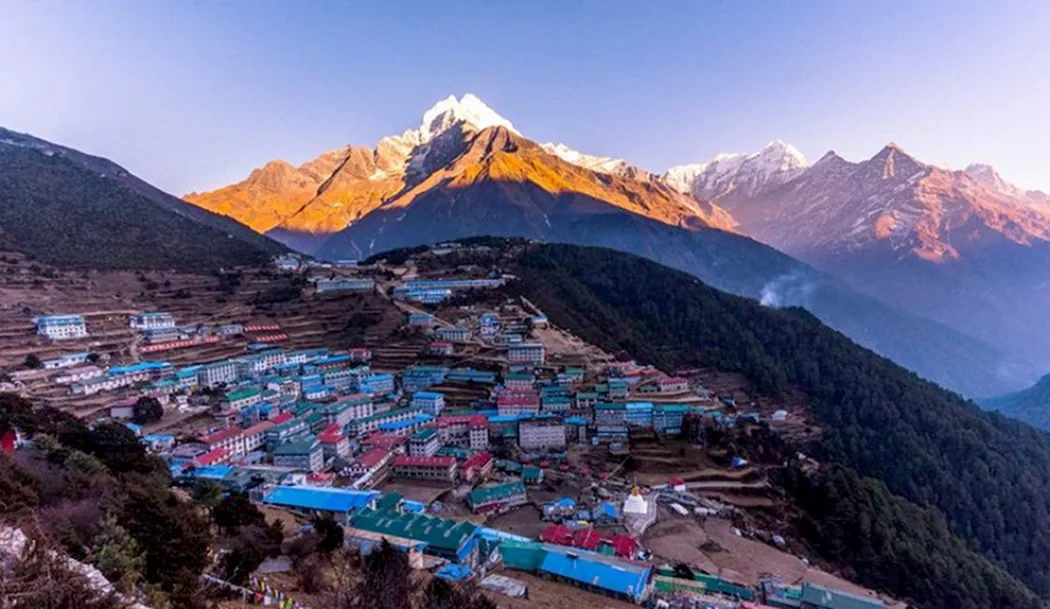
Solukhumbu
Famous for Everest and Sherpa heritage, Solukhumbu combines world-class trekking routes, monasteries, and breathtaking alpine scenery.
_FGDtTeMkcD.jpg)
0.0
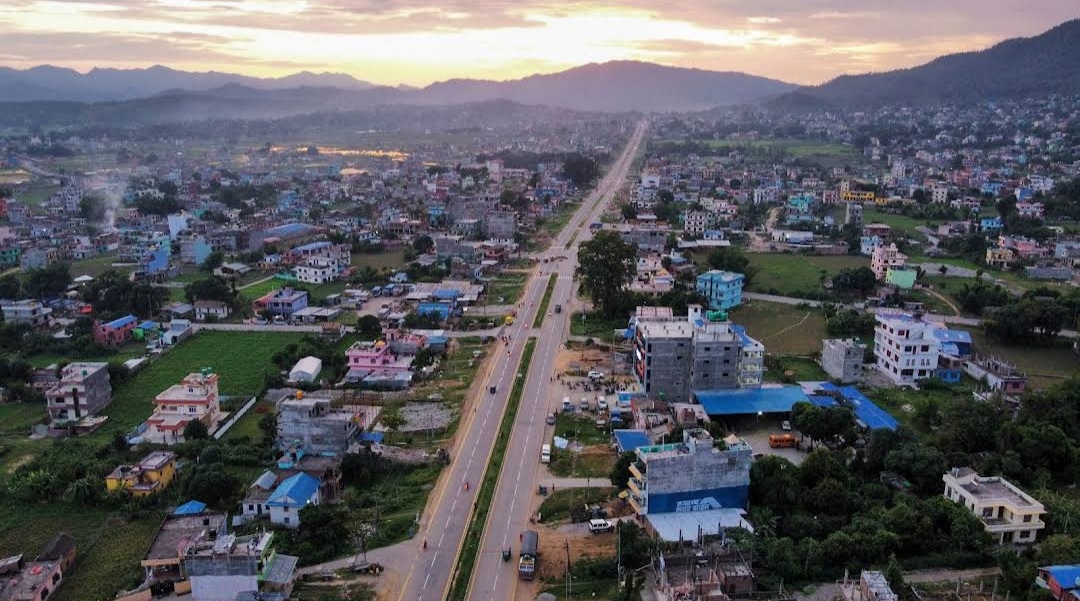
Sunsari
Sunsari links trade, pilgrimage, and Terai culture with busy towns, fertile land, and important routes across eastern Nepal.
0.0
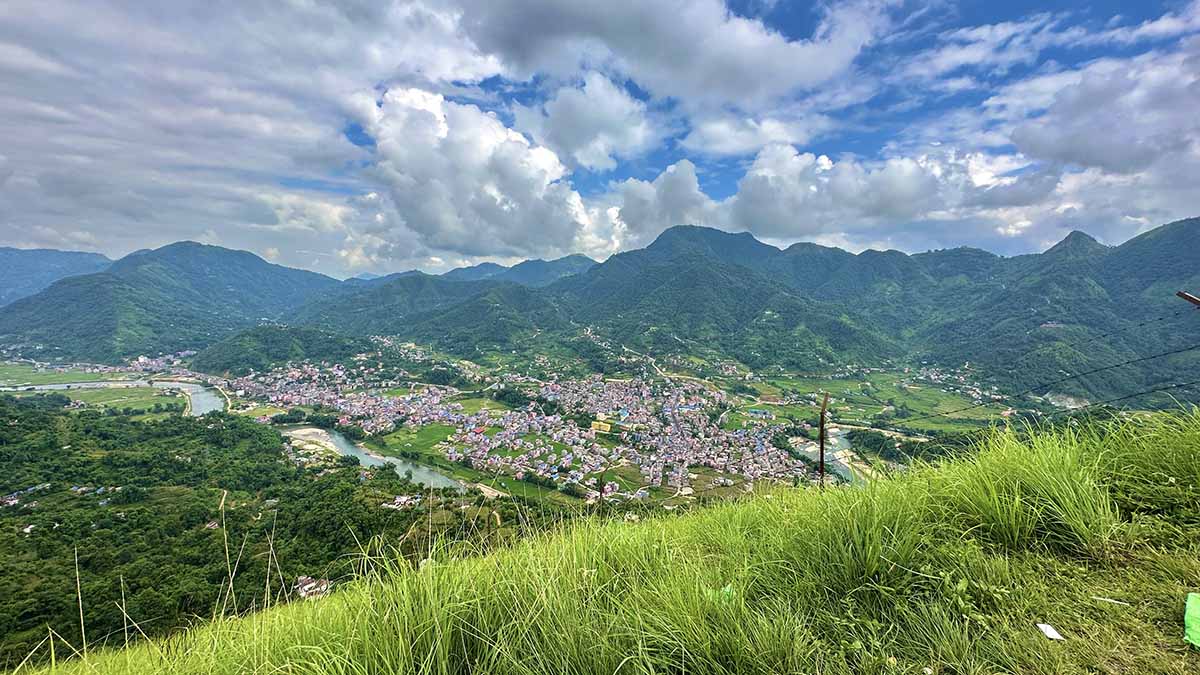
Surkhet
Surkhet is the gateway to Karnali, known for its valley setting, growing urban center, and access to western mountain districts.
0.0
Syangja
Syangja is a classic hill district of terraces, ridges, and village viewpoints, known for calm scenery and local hill culture.

0.0
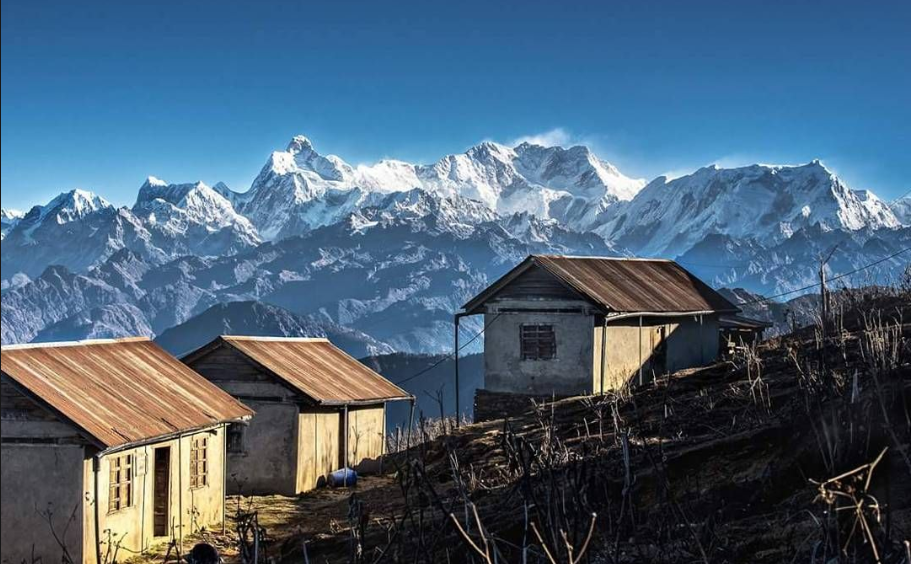
Tanahu
Tanahu offers rivers, green hills, and historic towns, making it a pleasant district for short trips, culture, and nature.
0.0
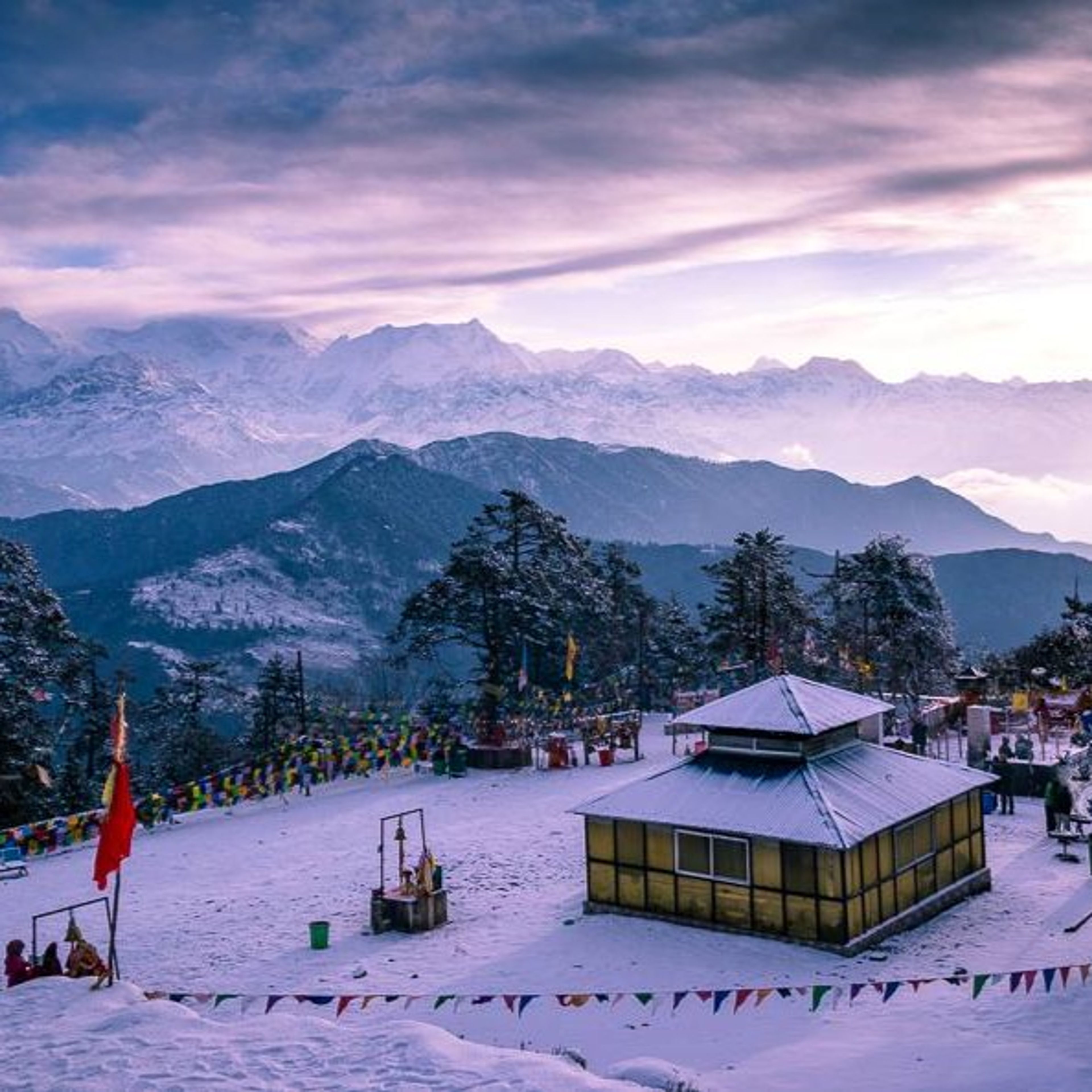
Taplejung
High Himalayan landscapes, sacred mountain routes, and the gateway to Kanchenjunga make Taplejung one of eastern Nepal's most dramatic districts.
0.0
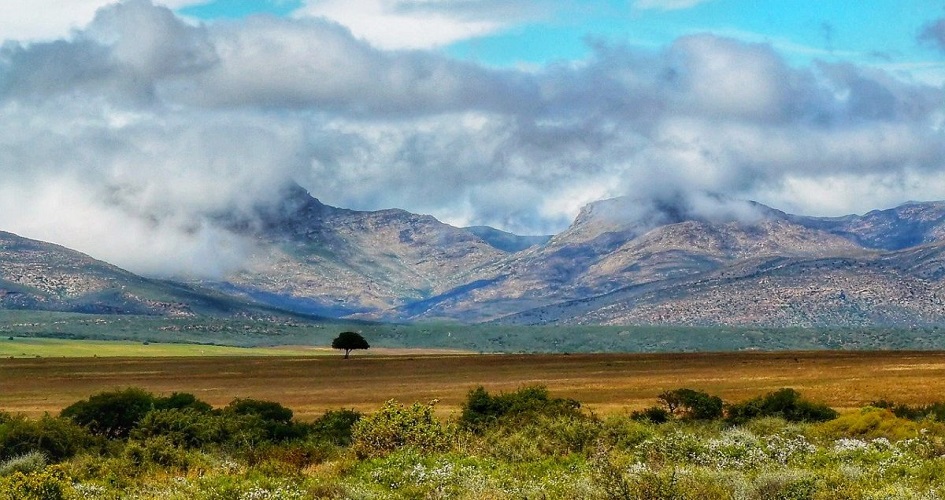
Terhathum
Terhathum is a quiet hill district with green ridges, rhododendron country, and a calm mountain atmosphere ideal for slow travel.
0.0
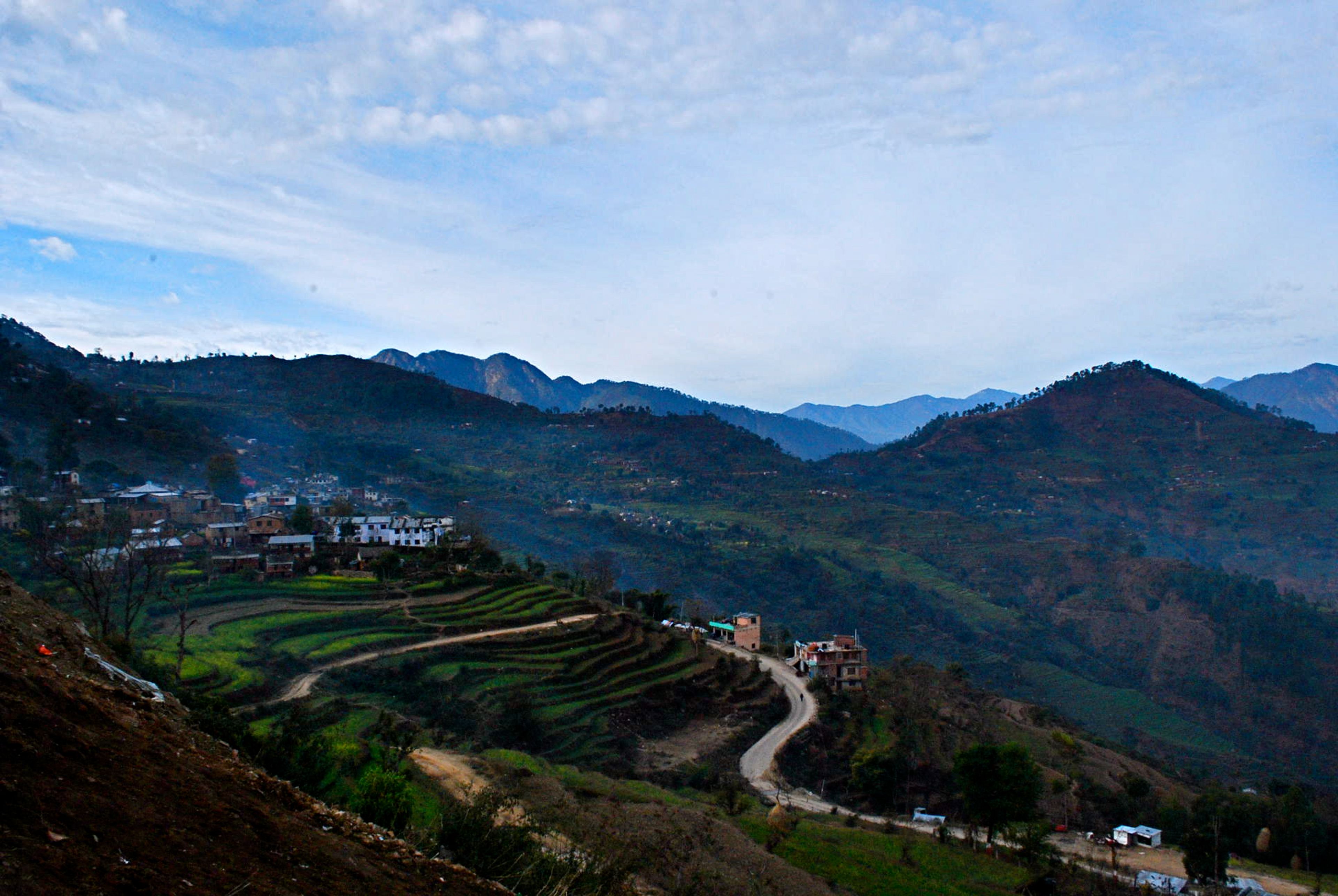
Udayapur
Udayapur bridges hills and plains, offering river valleys, mixed landscapes, and a quieter side of eastern Nepal's travel routes.
All 77 Districts
From Himalayan peaks to Terai plains — every district, one guide.
77 districts
0.0
Achham
Achham is known for its hill settlements, local traditions, and rugged landscapes that define the character of far-western Nepal.
0.0
Arghakhanchi
Arghakhanchi is a quiet hill district with religious sites, forested ridges, and rural landscapes shaped by traditional livelihoods.
0.0
Baglung
Baglung mixes scenic hill towns, cultural landmarks, and access to both religious sites and trekking routes in western Nepal.
0.0
Baitadi
Baitadi is a hill district with religious heritage, traditional settlements, and scenic views across the far-western mountains.
0.0
Bajhang
Bajhang is a remote mountain district of wild landscapes, historic settlements, and strong hill culture in Nepal's far west.
0.0
Bajura
Bajura combines rugged hills, alpine terrain, and remote communities, offering raw scenery and authentic mountain life.
0.0
Banke
Banke connects busy urban life, border commerce, and protected natural areas, making it an important district of the western plains.
0.0
Bara
Known for Simraungadh heritage and major transport links, Bara blends history, commerce, and the everyday life of the central plains.
0.0
Bardiya
Bardiya is famous for wildlife, river landscapes, and Tharu culture, offering one of Nepal's best jungle travel experiences.
0.0
Bhaktapur
Bhaktapur is famed for its preserved old city, pottery, temples, and timeless Newari architecture rich in history and craftsmanship.
0.0
Bhojpur
Known for its hill settlements and cultural richness, Bhojpur blends scenic ridges, farmland, and long-standing traditions of eastern Nepal.
0.0
Chitwan
Chitwan is best known for jungle safaris, wildlife experiences, Tharu culture, and one of Nepal's most accessible nature destinations.
0.0
Dadeldhura
Dadeldhura offers cool hill weather, forested ridges, and a calm atmosphere that reflects the beauty of Nepal's far west.
0.0
Dailekh
Dailekh is known for hill settlements, cultural traditions, and natural features that reflect the heart of Karnali's landscape.
0.0
Dang
Dang is a broad inner-Terai valley district known for open landscapes, cultural diversity, and important routes in western Nepal.
0.0
Darchula
Darchula sits along Nepal's far-western frontier, offering Himalayan scenery, river valleys, and culturally rich border landscapes.
0.0
Dhading
Dhading stretches from green hills to high Himalayan terrain, offering rafting rivers, village trails, and diverse landscapes.
0.0
Dhankuta
A charming hill district with cool weather and terraced slopes, Dhankuta is known for old bazaars, viewpoints, and tea-growing surroundings.
5.0
Dhanusha
Centered around Janakpur, Dhanusa is renowned for Maithili culture, grand temples, festivals, and deep connections to the Ramayana tradition.
0.0
Dolakha
Dolakha is known for mountain scenery, temple heritage, and access to alpine regions, blending culture with outdoor adventure.
0.0
Dolpa
Dolpa is one of Nepal's most remote and spectacular districts, known for high-altitude lakes, monasteries, and raw Himalayan beauty.
0.0
Doti
Doti is a historic far-western district with strong cultural identity, hill towns, and landscapes shaped by forests and ridges.
0.0
Gorkha
Historic Gorkha is the birthplace of Nepal's unification, offering hilltop heritage sites, mountain views, and important cultural landmarks.
0.0
Gulmi
Gulmi offers terraced hills, historic temples, and rural charm, with strong ties to traditional culture in western Nepal.
0.0
Humla
Humla is a remote northwestern district of high Himalayan passes, ancient trade routes, and powerful mountain landscapes.
0.0
Ilam
Famous for tea gardens and misty hills, Ilam is one of Nepal's most beautiful eastern districts for nature, culture, and easy escapes.
0.0
Jajarkot
Jajarkot offers steep hill terrain, historic settlements, and a less-traveled glimpse into the culture of western Nepal.
0.0
Jhapa
Jhapa is Nepal's eastern gateway, known for fertile plains, tea estates, wetlands, and a lively mix of cultures and border-town energy.
0.0
Jumla
Jumla blends mountain culture, orchards, and remote trails, and is often seen as a gateway to Karnali's highland beauty.
0.0
Kailali
Kailali features river plains, wetlands, forests, and far-western culture, making it a diverse district of the Sudurpashchim region.
0.0
Kalikot
Kalikot is a rugged Karnali district with remote villages, dramatic hills, and a strong sense of traditional mountain life.
0.0
Kanchanpur
Kanchanpur is known for open plains, border routes, and access to natural areas, blending commerce with far-western landscapes.
0.0
Kapilvastu
Kapilvastu carries deep Buddhist heritage and fertile plains, linking history, pilgrimage, and everyday life in western Nepal.
0.0
Kaski
Home to Pokhara, Kaski blends lakes, mountain panoramas, adventure tourism, and easy access to some of Nepal's most iconic landscapes.
0.0
Kathmandu
Kathmandu is Nepal's cultural and political heart, where temples, heritage squares, food, festivals, and urban energy come together.
0.0
Kavrepalanchok
Kavrepalanchok is a scenic hill district near Kathmandu, known for viewpoints, cultural towns, and easy escapes into rural landscapes.
0.0
Khotang
Khotang features green hills, river valleys, and strong Kirati cultural roots, offering a peaceful look into eastern Nepal's rural life.
0.0
Lalitpur
Lalitpur combines Newari heritage, fine arts, ancient courtyards, and a vibrant urban culture just beyond the capital's core.
0.0
Lamjung
Lamjung is a beautiful hill district with traditional villages, trekking routes, and landscapes that connect central Nepal's hills and mountains.
0.0
Mahottari
Mahottari offers broad plains, local markets, and a strong cultural identity shaped by agriculture, festivals, and Madhesh life.
0.0
Makwanpur
Makwanpur combines hill towns, forests, and strategic routes linking Kathmandu to the southern plains, with strong local cultural character.
0.0
Manang
Manang is a high-altitude Himalayan district of dramatic valleys, Buddhist culture, and legendary trekking routes in the Annapurna region.
0.0
Morang
An important district of the eastern plains, Morang combines urban growth, industry, agricultural landscapes, and diverse communities.
0.0
Mugu
Mugu is home to the stunning Rara region, offering alpine scenery, remote trails, and a rare sense of untouched mountain quiet.
0.0
Mustang
Mustang stands out for desert-like trans-Himalayan scenery, ancient monasteries, walled settlements, and a unique Tibetan-influenced culture.
0.0
Myagdi
Myagdi features mountain trails, rivers, and access to major trekking regions, offering a strong mix of scenery and village life.
0.0
Nawalparasi West
Nawalparasi West combines plains settlements, trade routes, and local culture in the western stretch of Nepal's Terai.
0.0
Nawalpur
Nawalpur combines forests, river plains, and growing town life, offering a quieter side of central Nepal beyond major tourist centers.
0.0
Nuwakot
Nuwakot offers hilltop forts, historic settlements, and green ridges, making it a rewarding district for heritage and nature lovers.
0.0
Okhaldhunga
A mid-hill district of ridges, farms, and traditional settlements, Okhaldhunga is known for quiet landscapes and local hill culture.
0.0
Palpa
Palpa is celebrated for Tansen, hilltop heritage, Newar influence, and scenic views across one of Nepal's most charming hill districts.
0.0
Panchthar
Panchthar offers sweeping hill views, rich Limbu culture, and scenic trails through forests, fields, and elevated rural settlements.
0.0
Parbat
Parbat is known for steep hills, suspension bridges, and adventure-friendly landscapes near the Annapurna and Pokhara region.
0.0
Parsa
Parsa combines border-city energy, industrial activity, and access to wildlife areas, making it one of Nepal's key Terai districts.
0.0
Pyuthan
Pyuthan is known for green hills, temple sites, and a peaceful landscape that reflects the rhythm of mid-western hill life.
0.0
Ramechhap
Ramechhap features river valleys, mid-hill villages, and mountain views, serving as a quieter gateway toward eastern highland routes.
0.0
Rasuwa
Rasuwa is a mountain district known for Langtang, dramatic Himalayan scenery, Tamang culture, and trekking routes close to Kathmandu.
0.0
Rautahat
Rautahat is a busy plains district of trade routes, agricultural settlements, and diverse communities in Nepal's central Terai.
0.0
Rolpa
Rolpa is a hill district of strong local identity, dramatic terrain, and traditional settlements spread across western Nepal's ridges.
0.0
Rukum East
Rukum East offers rugged hills, remote settlements, and authentic rural landscapes shaped by mountain life and western hill culture.
0.0
Rukum West
Rukum West is a scenic and rugged district with lakes, hills, and strong local identity across western Nepal's uplands.
0.0
Rupandehi
Rupandehi is internationally known for Lumbini, the birthplace of Buddha, along with growing cities and rich plains culture.
0.0
Salyan
Salyan combines rolling hills, farms, and market towns, offering a grounded look at life in Nepal's mid-western hills.
0.0
Sankhuwasabha
Home to Makalu and deep mountain valleys, Sankhuwasabha offers rugged trekking country, rich biodiversity, and remote hill culture.
0.0
Saptari
Saptari is a culturally vibrant Terai district with historic religious sites, agricultural plains, and strong Maithili and Madhesi traditions.
0.0
Sarlahi
Sarlahi is a lively Terai district with farming communities, temple traditions, and an important role in Madhesh's cultural landscape.
0.0
Sindhuli
Sindhuli is a hill district of winding roads, forests, and historical importance, especially known for the famous Sindhuli Gadhi area.
0.0
Sindhupalchok
A district of hills, rivers, and mountain routes, Sindhupalchok offers spiritual sites, trekking access, and striking natural scenery.
0.0
Siraha
Siraha is known for fertile plains, temple traditions, and a rich cultural landscape shaped by Madhesi and Maithili heritage.
0.0
Solukhumbu
Famous for Everest and Sherpa heritage, Solukhumbu combines world-class trekking routes, monasteries, and breathtaking alpine scenery.
0.0
Sunsari
Sunsari links trade, pilgrimage, and Terai culture with busy towns, fertile land, and important routes across eastern Nepal.
0.0
Surkhet
Surkhet is the gateway to Karnali, known for its valley setting, growing urban center, and access to western mountain districts.
0.0
Syangja
Syangja is a classic hill district of terraces, ridges, and village viewpoints, known for calm scenery and local hill culture.
0.0
Tanahu
Tanahu offers rivers, green hills, and historic towns, making it a pleasant district for short trips, culture, and nature.
0.0
Taplejung
High Himalayan landscapes, sacred mountain routes, and the gateway to Kanchenjunga make Taplejung one of eastern Nepal's most dramatic districts.
0.0
Terhathum
Terhathum is a quiet hill district with green ridges, rhododendron country, and a calm mountain atmosphere ideal for slow travel.
0.0
Udayapur
Udayapur bridges hills and plains, offering river valleys, mixed landscapes, and a quieter side of eastern Nepal's travel routes.