
Bagmati
Kavrepalanchok
Kavrepalanchok is a scenic hill district near Kathmandu, known for viewpoints, cultural towns, and easy escapes into rural landscapes.
17 visitors
🏛️ 0 places
All Places
All Places in Kavrepalanchok
Be the first to add a place here!
+ Add a Place🏔️
About
About Kavrepalanchok
Kavrepalanchok (often called Kavre) is a scenic hill district in Bagmati Province, central Nepal, known for its terraced hills, rivers, and cultural heritage. It offers trekking, rural village exploration, historical sites, and natural beauty, making it ideal for travelers seeking nature, adventure, and local culture near Kathmandu.
Religious & Pilgrimage Sites
1. Namobuddha (Thrangu Tashi Yangtse Monastery)
- Major Buddhist pilgrimage site
- Associated with a legend of Buddha’s past life
- Peaceful monastery with scenic surroundings
2. Palanchok Bhagwati Temple
- Highly revered temple of Goddess Bhagwati
- Important for religious rituals and festivals
3. Hajar Sidhi Kali Temple
- Famous for 1000-step climb
- Dedicated to Kali Devi
- Offers spiritual and physical challenge
4. Saping Siddhi Ganesh Temple
- Religious site in Saping area
- Popular among local devotees
5. Gaukhureshwar Temple & Gosainthan
- Important spiritual locations
- Known for local religious practices
6. Mulkharka Bhimsenthan
- Scenic religious site in Saping
- Offers peaceful surroundings
Natural & Scenic Attractions
7. Dhulikhel
- Famous for panoramic Himalayan views
- Known for sunrise/sunset and traditional old town
8. Nagarkot & Hiking Trails
- Popular for sunrise views of Himalayas
-
Offers hiking routes:
- Roundtrip Nagarkot
- Bhaktapur–Nagarkot via Naldum
9. Talu Dada View Tower
- Scenic viewpoint
- Provides views of surrounding hills and valleys
10. Thulo Bangthali
- Beautiful rural village
- Ideal for nature and eco-tourism
11. Patlekhet
- Known for terraced fields and natural beauty
- Peaceful countryside destination
Quick Info
🌤️
Best Time
When to Visit
October to April is the best time to visit Kavrepalanchok, offering clear skies, comfortable weather, and ideal conditions for trekking and sightseeing.
🚌
Getting There
How to Reach
Kavrepalanchok is accessible by road from Kathmandu and nearby districts. Regular buses, microbuses, and private vehicles operate daily. The nearest major airport is Tribhuvan International Airport in Kathmandu.
🍜
Culture
Food & Culture
Kavrepalanchok's culture is rich with Newar, Tamang, Brahmin, and Chhetri communities. Local foods include dal bhat, dhido, gundruk, and seasonal vegetables. Festivals such as Dashain, Tihar, Maghe Sankranti, and other local events are celebrated with traditional customs.
⭐
Activities
Top Things To Do
1
Trek to Dhulikhel for panoramic Himalayan views
2
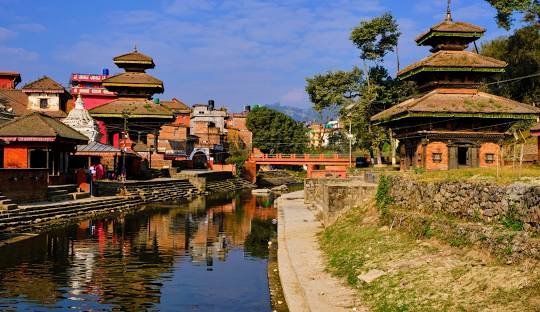
Visit Panauti, a historic town with temples and traditional architecture
3
Explore rural villages and terraced hills
4
Discover local monasteries, shrines, and cultural centers
5
Photograph rivers, hills, and farmland landscapes
6
Attend festivals such as Dashain, Tihar, and local cultural events
7
Experience local markets and traditional foods
❓
FAQ
Before You Go
Q.Where is Kavrepalanchok located?
It lies in Bagmati Province, central Nepal.
Q.What is Kavrepalanchok famous for?
Hills, rivers, trekking, Dhulikhel, and Panauti heritage.
Q.Is Kavrepalanchok good for tourists?
Yes, for trekking, nature, and cultural experiences.
Q.How many days are enough?
2 to 4 days to explore hills, villages, and heritage sites.
Q.Are trekking options available?
Yes, multiple trails through hills and rural villages.